


Throughout the 20th century, numerous cultural institutions, including theatres and cinemas, were established in Canada’s capital. Among them, the Strand Theatre stood out as one of Ottawa’s most notable venues. First opened in the 1910s, this theatre had a unique history, as it was reopened several times under the same name. Read more on ottawa-trend.com.
The Predecessor of the Strand Theatre
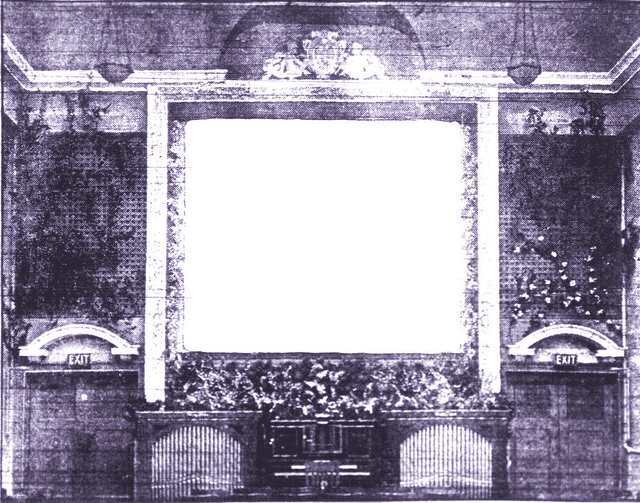
Few people know that the precursor to Ottawa’s Strand Theatre was the Flower Theatre, which operated on Sparks Street in the first half of the 20th century. The Flower Theatre first opened its doors to the public in 1914. It was a truly unique venue, unlike any other, as the entire theatre was decorated with flowers. Floral arrangements lined the auditorium, giving the venue its distinctive name. In 1914, over $35,000 was spent to create this remarkable cultural institution, with renowned 20th-century architect Fred Carling leading the construction efforts.
For some time, the theatre was known as the Flower Theatre, but it was later renamed the Pradue. Despite the name change, the venue maintained its original garden-like concept.
Like many theatres of the early 20th century, the Flower Theatre also housed an art gallery. However, its most distinctive feature was its retractable roof, which was opened on summer evenings so that audiences could enjoy performances under the stars.
In 1918, the theatre was once again renamed, this time becoming the Strand Theatre. Despite its uniqueness, the theatre’s success was short-lived. It remained operational for only three years before closing in 1921. The building that once housed the Flower Theatre was sold to the Bank of Canada, and much of its equipment and staff moved to the newly built Capitol Theatre in downtown Ottawa.
Another Strand Theatre in Ottawa
The first Strand Theatre in Ottawa had an opulent design but a very short lifespan. A completely new Strand Theatre was opened in 1949, located on Bank Street and owned by Louis Wolfe.
Like its predecessor, the new Strand Theatre initially had a different name—the South Ottawa Theatre. It was later renamed the Strand. The theatre’s familiar name helped attract visitors who had fond memories of the original venue. Despite its relatively small size, with a seating capacity of just over 500, the new Strand was a cozy and popular entertainment spot for Ottawa residents.
However, this second iteration of the Strand Theatre also had a short lifespan, closing after just five years. The building was subsequently demolished, mirroring the fate of its predecessor.
In 1955, another attempt was made to revive the old Strand Theatre. During the mid-20th century, the venue was transformed into a cultural space known as Strand Hall, which hosted live music events, dance nights, and auctions. This version of the Strand enjoyed far greater success than its predecessors. It hosted theatrical performances, film screenings, musical evenings, and other entertainment events. This period of success lasted until the mid-1960s, after which the venue underwent further changes.
By coincidence, a small store was briefly opened within Strand Hall in 1963. However, the retail venture was short-lived, and later that same year, the hall was once again filled with music and entertainment. From 1963 onwards, in addition to theatre and musical performances, the venue also became known for hosting popular bingo games.
Strand Hall was the last venue to bear the Strand name in Ottawa. In essence, it operated from 1955 until the early 1990s. As the 20th century drew to a close, cultural centres like the Strand began to decline in popularity. By the early 2000s, the building was abandoned. Due to its prime downtown location, the property was soon sold, and the last remaining Strand Theatre in Ottawa was permanently demolished.
Today, in the 21st century, the site where Ottawa’s final Strand Theatre once stood is now home to a café, marking the end of a significant chapter in the city’s cultural history.