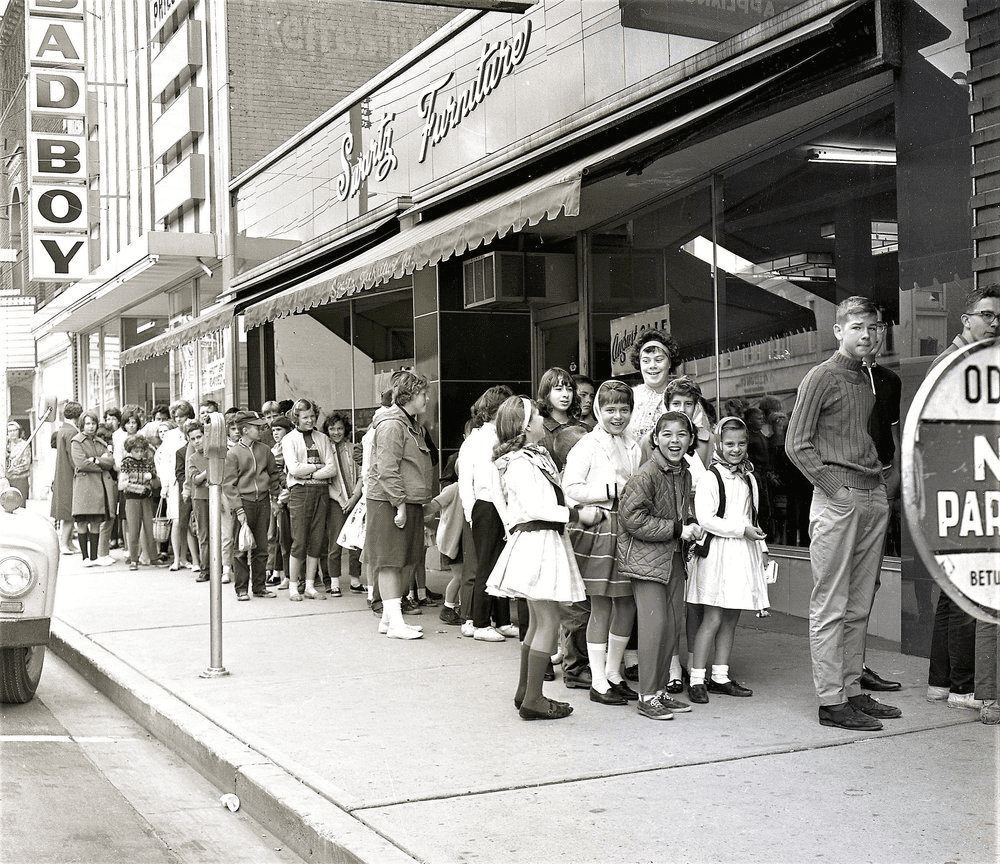
No matter how grand they once were or how rich their history, not all cinemas withstand the test of time. Many of Ottawa’s movie theatres have disappeared. Do locals still remember them? Or are they just warm recollections of a bygone era? Ottawa Trend takes a look at the forgotten and abandoned cinemas that now exist only as beautiful stories from the past.
Capitol Theatre
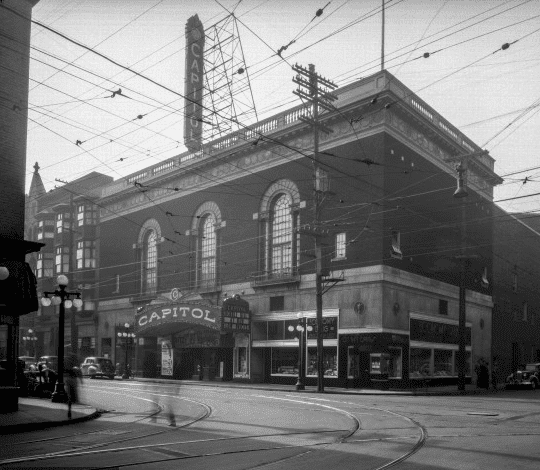
The Capitol Theatre was a truly historic venue located in the ByWard Market, near Parliament Hill. It remains one of Ottawa’s most cherished cinema landmarks. Many social media users recall that no other theatre evokes such strong and nostalgic emotions. Even today, residents of Ottawa remember its grandeur.
But let’s delve deeper into its history.
The Final Show
An era ended on April 30, 1970, when Capitol Theatre hosted its final screening: the film MASH*. This dark comedy was set in a Korean War field hospital, making it a significant choice for the theatre’s farewell.
A notice was placed in the Ottawa Citizen newspaper, inviting the public to say goodbye to the beloved cinema. Television crews recorded the historic moment, preserving it for future generations. Despite protests from moviegoers, one of Canada’s most magnificent film palaces was closing its doors.
A charity fundraiser followed, with proceeds donated to the Canadian Save the Children Fund.
Why Did It Close?
Modern audiences often ask: why did one of Canada’s most beautiful cinemas shut down? Experts agree that the Capitol Theatre became a victim of its own grandeur. It had 2,530 seats, an enormous capacity. However, moviegoing habits were changing, and attendance declined. On many nights, the massive theatre hosted only a few dozen viewers, making it financially unsustainable.
Despite its decline, Capitol Theatre had a glorious past, hosting theatrical and musical performances with legendary artists. Built as part of Loew’s Theatres, an elite cinema chain owned by Marcus Loew, the theatre was designed by top architects and designers. Construction began in 1919 and was completed the following year. The project cost over $1 million—a staggering amount for the time.
With the opening of the National Arts Centre, the need for Capitol Theatre’s stage and concert hall also diminished. Eventually, the grand cultural institution was demolished, making way for an office building.
Elgin Theatre
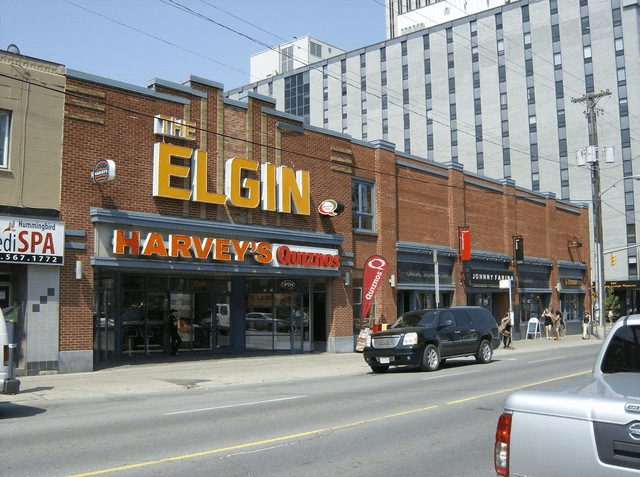
Another historic cinema, Elgin Theatre was located between Lisgar Street and Elgin Street. It opened in 1937, screening its first film, Stand-In—a Hollywood comedy that satirized the film industry.
For decades, Elgin Theatre was Ottawa’s premier movie destination. Locals fondly recall that its audience included residents of the Golden Triangle and Centretown, along with students from Lisgar Collegiate Institute. People from all over the city came to enjoy films and discuss them afterward.
When Did It All End?
Elgin Theatre was so successful that its owner, Nat Taylor, opened a second cinema, Little Elgin, in 1947. This was a major event in Ottawa’s movie scene, as it gave audiences a choice between new releases and popular older films. Taylor is now recognized as one of the inventors of the multiplex.
However, in 1994, the theatre’s parent company, Famous Players, announced its closure. Over 3,500 people signed a petition to save the cinema, but their efforts were unsuccessful. The last films screened were Quiz Show on the main screen and Whale Music on the smaller screen.
The building later became home to several restaurants.
Odeon Theatre
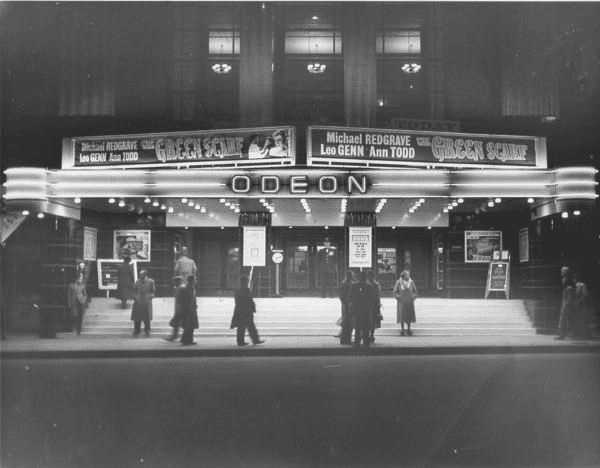
The Odeon was an elegant cinema that closed in 1958. Its story is featured in Alan Miguelez’s film Theatre Next Door, which explores Ottawa’s historic cinemas.
Located on Bank Street, between Slater Street and Laurier Avenue, Odeon Theatre met a tragic end. In 1958, a coal gas explosion in a nearby office building severely damaged the theatre. The blast killed two people and could have been far worse—just hours later, the auditorium was set to be filled with schoolchildren for a Saturday matinee. Experts estimated that, under different circumstances, over 600 people could have been injured.
Rex Theatre
Located at 136 Lorne Street and 777 Somerset Street West, Rex Theatre opened in 1914 in a blue-collar neighborhood. Unlike downtown cinemas, Rex was embedded within a residential area.
Originally seating 300 people, the cinema was later expanded to 750 seats. It specialized in B-movies and children’s serials, which were extremely popular—until the rise of television.
In 1954, Rex Theatre closed, and two years later, the building was demolished. Today, a Vietnamese grocery store occupies the site.

Rialto (Phoenix) Theatre
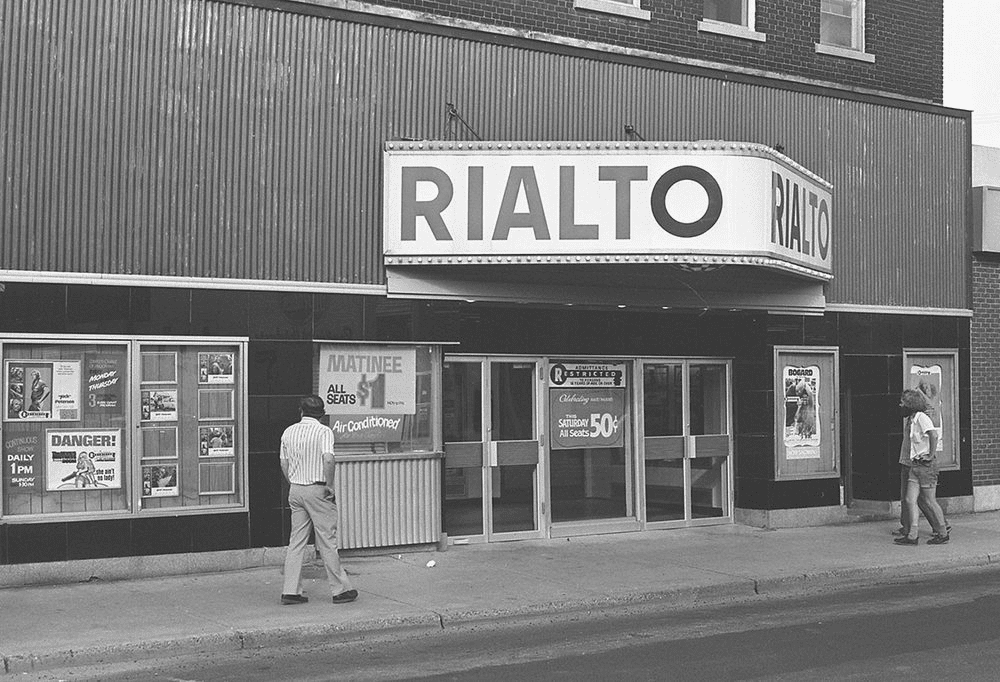
Operating from 1943 to 1991, Rialto Theatre was located on Bank Street. The building was once a luxurious venue, but over time, neglect took its toll.
During the 1970s, the cinema suffered from rodent infestations, earning it the nickname “Rat Hole” among locals. Many blamed irresponsible tenants for its decline.
Despite its problems, Rialto was also a well-known LGBTQ+ meeting spot for many years—an unexpected legacy, considering the theatre never screened adult films.
Later, Cineplex Odeon purchased and rebranded it as Phoenix Theatre, but this did little to improve its fate. In 1991, it was permanently closed. Today, a parking lot stands in its place.
Somerset Theatre
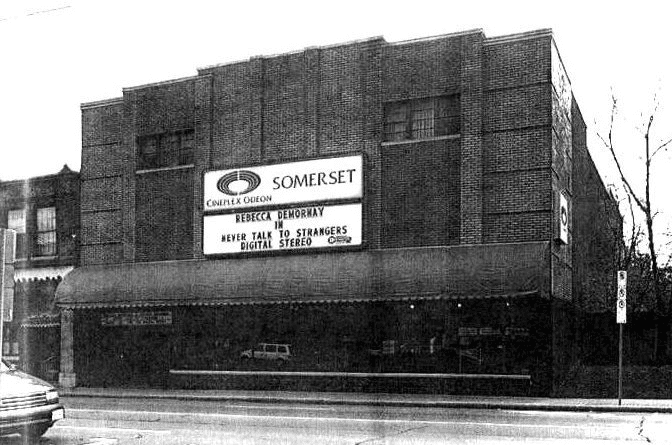
Located on Somerset Street West, Somerset Theatre opened in 1937 and closed in 2000. The building was demolished to make room for a supermarket expansion and a new parking complex.
One of the last known photographs of Somerset Theatre was taken in 1995, after the release of Never Talk to Strangers.
Final Memories
These are just six of Ottawa’s forgotten cinemas, but many more have vanished over the years. Most have not survived to the present day. While their grandeur once captivated audiences, they are now merely stories from the past.
Today, residents and visitors of Canada’s capital can only glimpse these lost treasures through archival photographs—a nostalgic reminder of Ottawa’s rich cinematic history.