The legendary Bee Gees are well-known, especially for their disco hits of the 1960s and 1970s, which captivated audiences not only in Ottawa and Canada but also across the world. However, few people know about the secluded recording studio where their music came to life.
Ottawa Trend takes a closer look at this hidden gem—a studio located deep in the forests northeast of Ottawa, where not only Bee Gees but also other famous artists recorded their legendary tracks, leaving a lasting mark on music history.
The Secluded “Bee Gees” Studio: What Do We Know?
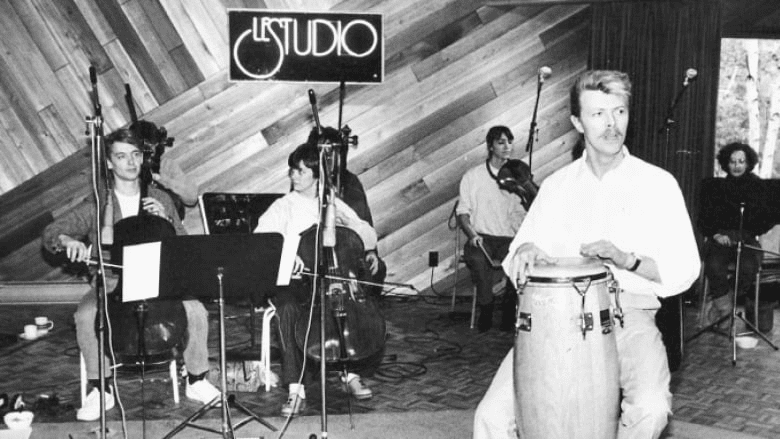
The Bee Gees and their guest artists often worked in a remote recording studio surrounded by nature. The members of the iconic group even lived there for some time, recording their platinum album “Children of the World” (1976). Other music legends such as Céline Dion, Rush, and David Bowie also visited this extraordinary creative space, which was located just 1.5 hours from Ottawa.
In reality, the list of artists who recorded at Le Studio is extensive. This secluded location became a magnet for musicians, offering an inspiring environment that nurtured creativity.
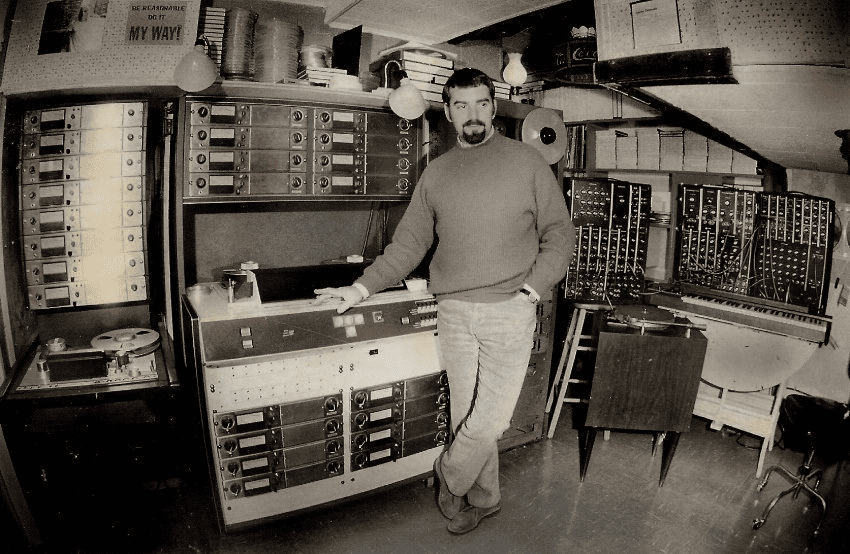
“Children of the World” — A Legendary Album
This iconic album deserves special attention. Its lead single, “You Should Be Dancing,” became an instant hit, topping the music charts in the U.S. and Canada. Audiences worldwide embraced it, and the song was later featured in the soundtrack of “Saturday Night Fever.”
This album marked a major shift in the Bee Gees’ career, being their fourteenth studio release. Previously, the band recorded many of their songs in Miami, but soon relocated to Le Studio to embrace a new sound and creative atmosphere.
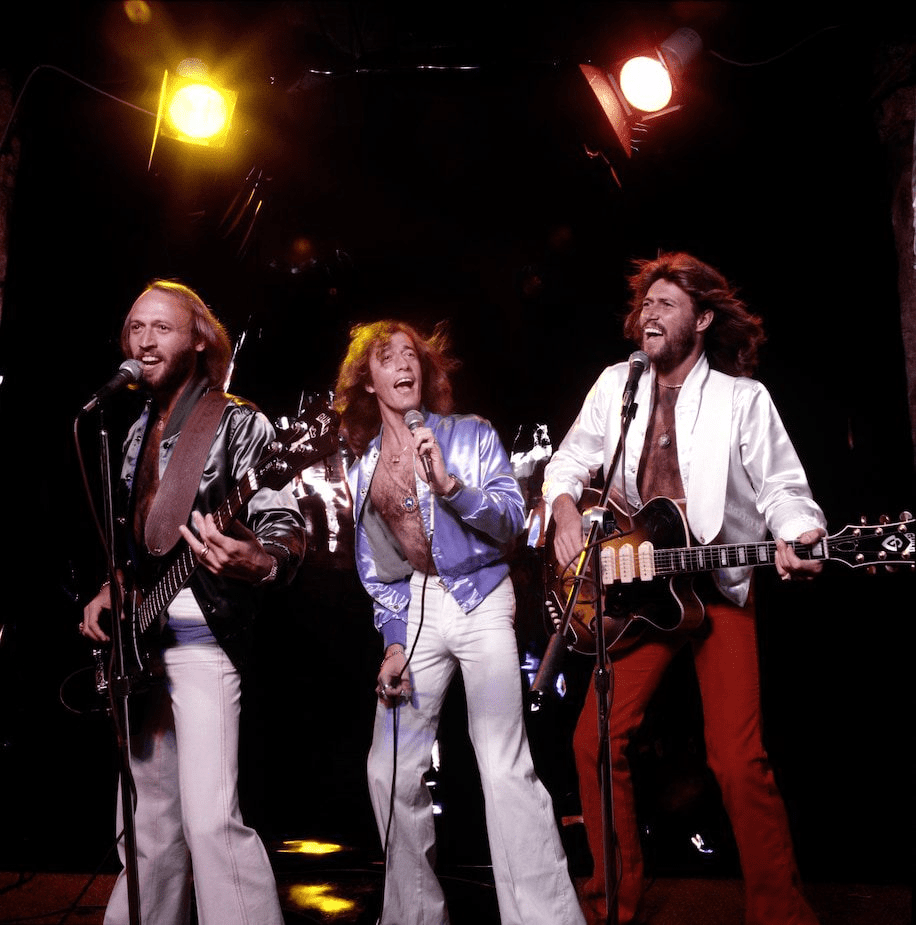
The Location of Le Studio
Le Studio was located in the small village of Morin-Heights, in the Laurentian Mountains, about 1.5 hours from Ottawa. This state-of-the-art recording facility was built in 1972 and quickly became known for its cutting-edge technology. The team behind the studio included talented sound engineers and producers:
- André Perry (studio founder and sound engineer for John Lennon)
- Yaël Brandeis (his wife and business partner)
- Nick Blagona (renowned recording engineer)
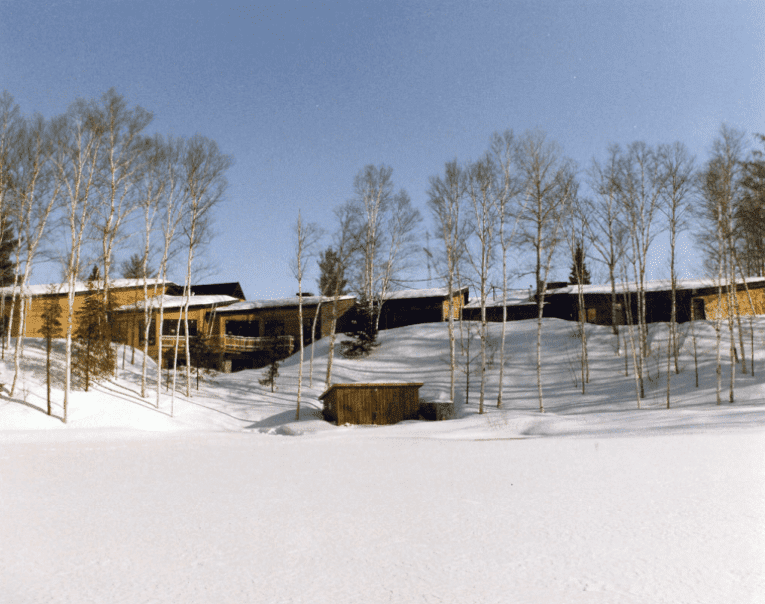
What Made Le Studio Unique?
The studio stood out for its technological advancements, including:
- A custom-built Solid State Logic mixing console
- RADAR digital recording technology
- A computer graphics department and electronic music studio
Besides being a recording hub, the studio also served as a filming location for TV shows, music videos, and professional video productions.
The Vision Behind Le Studio
Le Studio was not just a recording facility—it was a sanctuary for artists. The Bee Gees lived in the heart of the Laurentians, immersed in an inspiring, natural setting. While recording “Children of the World,” the group spent five months living at the studio.
One of the most memorable recordings from that time was “Rest Your Love On Me” (1976)—a song that marked a significant period of success for both the band and the studio.
Originally, the studio complex included only a guesthouse, which unfortunately burned down in an accidental fire. However, it was soon rebuilt and expanded, extending all the way to a nearby lake—creating an idyllic retreat for artists.
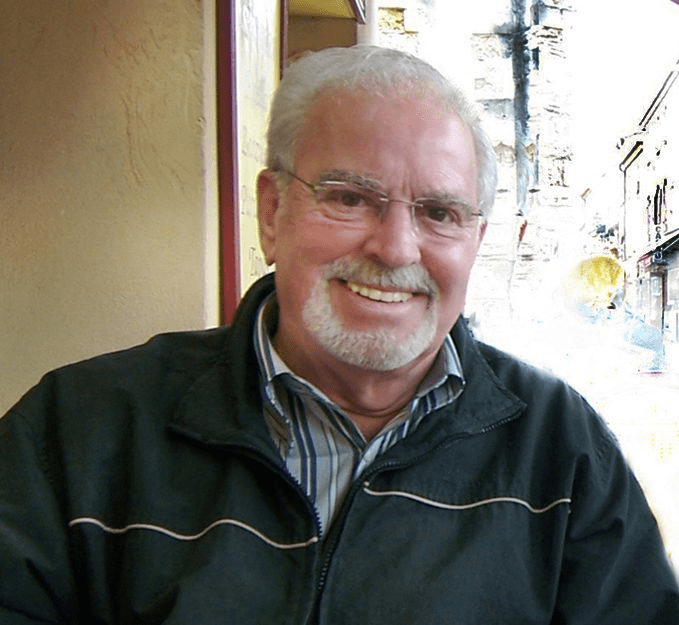
André Perry’s Role
Le Studio was the brainchild of André Perry and Yaël Brandeis, who envisioned a studio that merged technology with creativity. Unlike traditional recording hubs in major cities, Le Studio offered seclusion and inspiration. It was one of the first “eco-friendly” recording studios in the world.
André Perry often compared the studio to the United Nations, as it was a place where artists from all over the world came together through music.
Le Studio’s reputation grew beyond the Bee Gees—other major artists began to recognize its advantages, making it one of the most sought-after recording locations of its time.
Over the years, more than 150 albums were recorded there, and according to Perry, no two albums ever sounded the same.
The studio even received the Recording & Sound Awards Pro Sound News, ranking as one of the best recording studios in the world.
Life at Le Studio
According to Foenik Opolko of CBC Music, who worked at Le Studio from 1980 to 1986, those were its golden years. He described the studio’s energy as effortless and relaxed, allowing artists to be at their creative best. Musicians often stayed for entire weekends, embracing the homely and inspiring environment.
Despite efforts by various groups to restore Le Studio, it continuously changed ownership, making revival attempts difficult:
- In the early 1990s, André Perry sold the studio to Spectra, a company that organized the Montreal International Jazz Festival, for $1 million. It was later resold at a lower price.
- A numbered company became the next owner, but due to tax debts, the property was eventually put up for auction.
In 2015, Montreal musician Richard Baxter launched a Kickstarter campaign to restore Le Studio, hoping to raise $2.4 million. However, only $4,000 was raised, and the project failed.
The final event organized at Le Studio was its involvement in the opening, closing, and medal ceremonies of the 2010 Vancouver Olympics.
The Decline and Abandonment
After years of legendary recordings, Le Studio faced its inevitable decline. In 2007, it was put up for sale, with its 94-hectare property listed at $2.45 million.
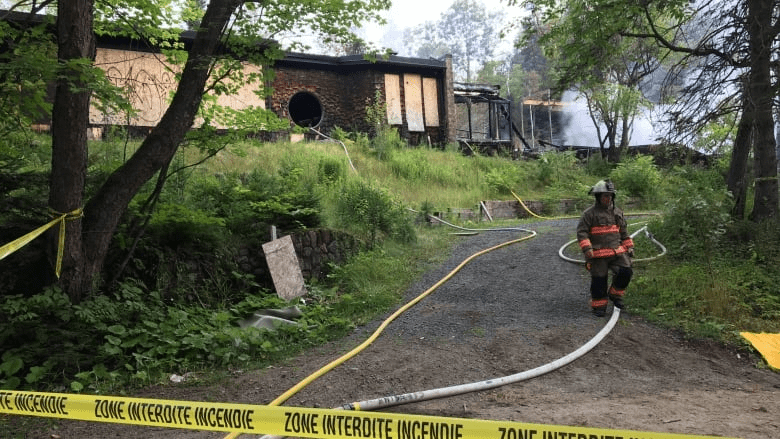
By 2009, the building was abandoned. Investors considered transforming it into a spa retreat, but these plans never materialized. The property remained unsold, and the once-glorious studio fell into disrepair.
The situation worsened due to vandalism, which destroyed much of the facility’s original charm.
A fire broke out on August 11, 2017, completely destroying the studio’s residential area. Authorities suspected arson, but the reason for the fire remained unknown.
The Final Chapter: Le Studio’s Demolition
By October 2020, the main studio building still stood, albeit severely damaged. Eventually, a bulldozer leveled the site, leaving behind nothing but an empty lot. In 2021, the land was cleared and listed for sale at $850,000.
This is a tragic story with no happy ending. The once-legendary studio became a forgotten relic—a place immortalized only in photographs and memories. The icons of music who once recorded there left behind timeless songs, but the studio itself no longer exists.
We end this story with a quote from André Perry:
“If any building ever had a soul, it was Le Studio.”