


This is the story of a professional opera organization that started brightly but eventually came to an end. Learn more about the activities and memorable moments of Opera Lyra Ottawa at ottawa-trend.com.
The History of Opera Lyra Ottawa (OLO)
In 1984, the history of this non-profit opera company began thanks to soprano Diana Gilchrist. This was precisely the period when summer opera productions at the National Arts Centre (NAC) had ceased.
Initially, the troupe performed chamber versions of operas accompanied by piano in the small York Street Theatre in Ottawa.
Opera Lyra Ottawa performed full productions and concert versions of operas in their original language at the National Arts Centre, with French and English surtitles. Additionally, special programs for young artists were conducted.
The main objectives of Opera Lyra Ottawa were:
- To create and present high-quality opera productions in the capital of Ottawa.
- To popularize opera as an art form and make it more accessible to as many people as possible through outreach and education.
- To nurture, encourage, and support Canadian artists.
Officially, on October 14, 2015, Opera Lyra Ottawa ceased operations.
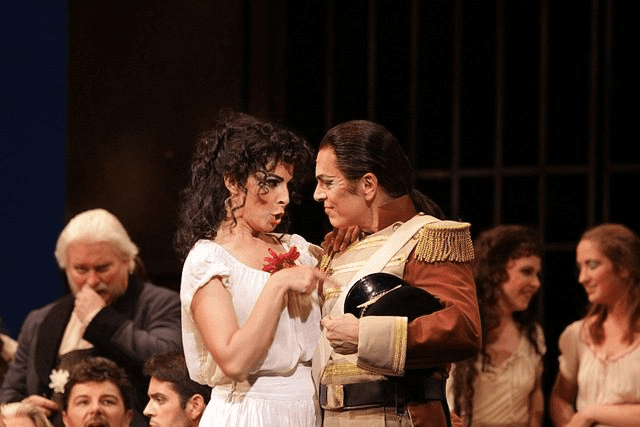
Diana Gilchrist
She was the founder and first artistic director of the organization. At the time of its founding in 1984, Canadian soprano Diana Gilchrist was just beginning her career.
In 1987, Diana Gilchrist left her leadership role at Opera Lyra Ottawa as she moved to Europe to pursue her professional career. There, she performed roles such as the Queen of the Night and Zerbinetta, among other significant parts in her career.
The First Productions of Opera Lyra Ottawa
- Mozart’s “The Impresario” – A small yet elegant opera buffa often chosen for chamber productions. In this staging, Diana Gilchrist performed the role of Madame Silberklang while also serving as the show’s director and producer. This production became a calling card for the newly founded troupe, demonstrating Opera Lyra Ottawa’s potential and commitment to high artistic standards. Mozart himself described the work as a “comedy with music.”
- “Pimpinone” – A comic opera by German composer Georg Philipp Telemann, based on a libretto by Johann Philipp Praetorius. The full title translates to “The Unequal Marriage Between Vespetta and Pimpinone, or The Bossy Chambermaid.” This light and refined opera complemented Opera Lyra Ottawa’s repertoire.
- The premiere of the chamber opera “The Master’s House” by John Burge – This selection demonstrated support for a contemporary Canadian composer, music educator, and pianist. The opera was commissioned by Opera Lyra Ottawa, with its anticipated premiere taking place in 1984.
The first season was considered quite successful.
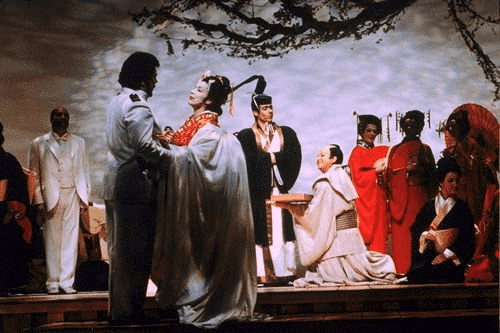
The Second Season
Following the success of its debut season, Opera Lyra Ottawa prepared for its next performances. The second season saw increased funding and marked a milestone with the company’s first fully staged opera, “Così fan tutte, ossia La scuola degli amanti” (translated from Italian as “Women Are Like That, or The School for Lovers”). Originally premiered in Vienna in 1790, this opera buffa by Wolfgang Amadeus Mozart was performed by Opera Lyra Ottawa at Carleton University’s Alumni Theatre.
In 1986, the professional opera company moved to the National Arts Centre Theatre, where it staged “The Barber of Seville.” This opera buffa in two acts by Gioachino Rossini, set to an Italian libretto by Cesare Sterbini, was presented in a venue with 897 seats.
The last opera directed by Diana Gilchrist as artistic director was “L’elisir d’amore” under the baton of Dwight Bennett. This melodrama in two acts was composed by Gaetano Donizetti.
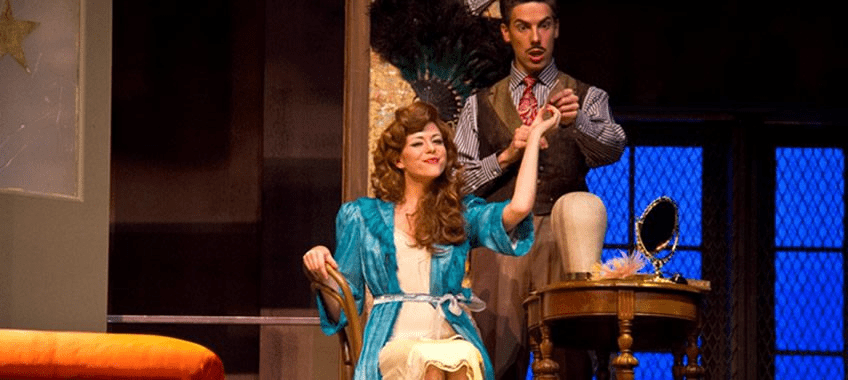
Jeanette Aster
Jeanette Aster was an Austrian-born opera director who staged productions in Canada, where she grew up and studied. She made her Canadian directing debut in 1977 at the National Arts Centre Festival in Ottawa, with her first work being Mozart’s “The Magic Flute.”
In 1972, she began working with the Canadian Opera Company. By 1979, she and General Director Lotfi Mansouri, along with partner John Leberg, had co-founded a program for young artists. In 1980, Jeanette Aster became the first permanent director of the organization.
In 1986, she accepted an invitation from Peter Hemmings and joined the Music Center Opera in Los Angeles. From then on, Jeanette Aster became associate director-founder and permanent director.
From 1988 to 1998, Jeanette Aster served as the artistic director of Opera Lyra Ottawa. She commissioned three new operas and introduced a comprehensive educational program, which included:
- A boys’ choir
- A youth choir
- A studio for female artists
She also established educational projects for both adults and youth in the Ottawa community.
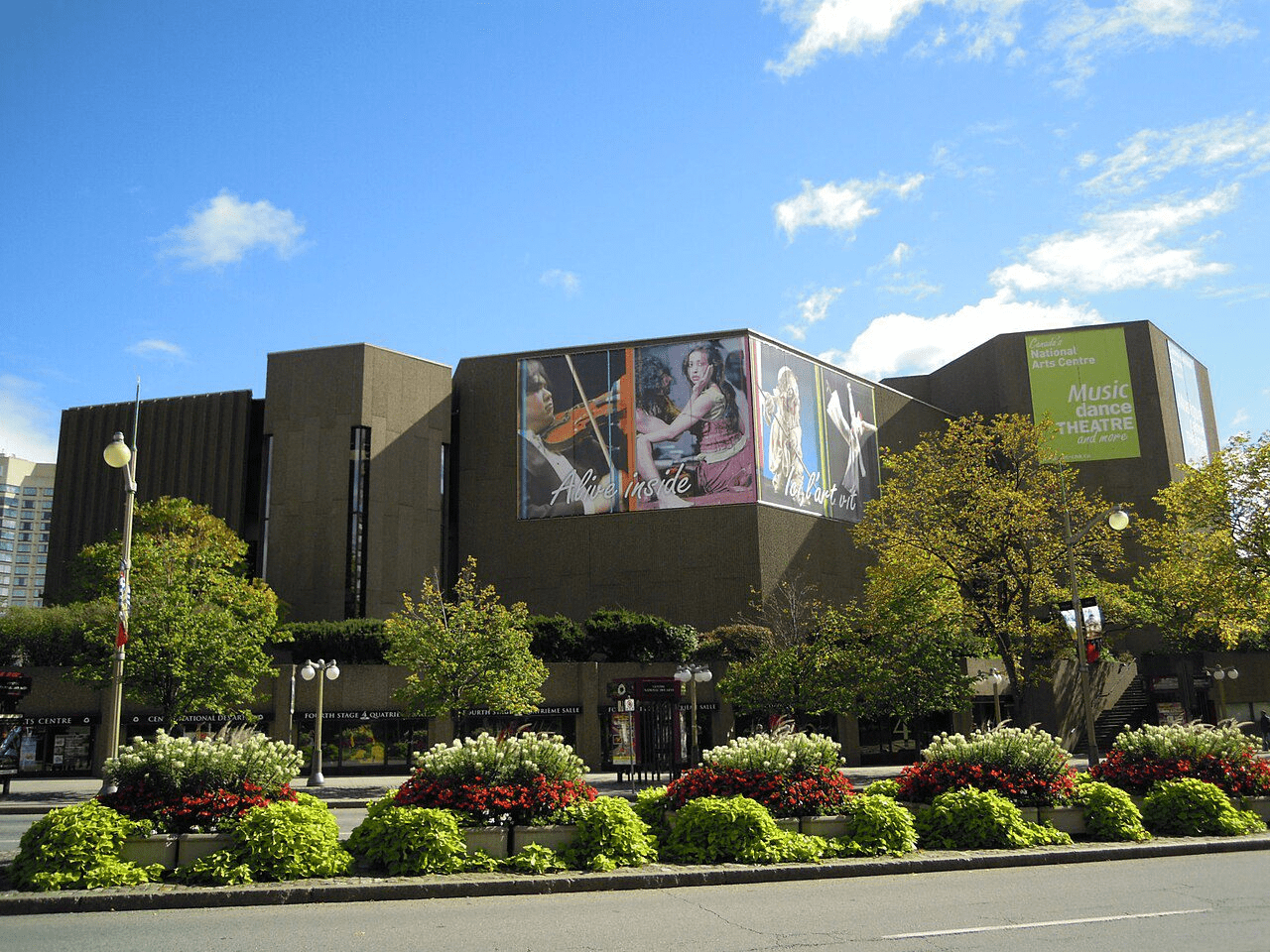
The End of the Story
After 31 seasons, Ottawa’s only opera company ceased operations on October 14, 2015. The board of directors issued a statement announcing the company’s closure, stating that adjustments to future activities were necessary.
The decision was driven by systemic revenue declines in several areas:
- Ticket sales – Possible reasons included changing audience preferences and rising prices.
- Government grants – Budget reallocations and an increased number of grant applicants contributed to financial difficulties.
- Charitable donations – The reduction in donations may have resulted from unstable partnerships or communication issues with donors.
- Corporate sponsorship – A decrease in sponsorships likely stemmed from shifting business priorities and an increase in other cultural projects also seeking funding.
For many years, Opera Lyra Ottawa tried to raise funds in these areas but was ultimately unsuccessful.
Interestingly, this was the second time the organization faced closure. The first attempt occurred in 2011 when budget deficits rendered it insolvent. At that time, the board emphasized that opera is an expensive art form, combining orchestral music, vocal performances, dramatic staging, set design, lighting, and costumes.
The Five Stages of Grief
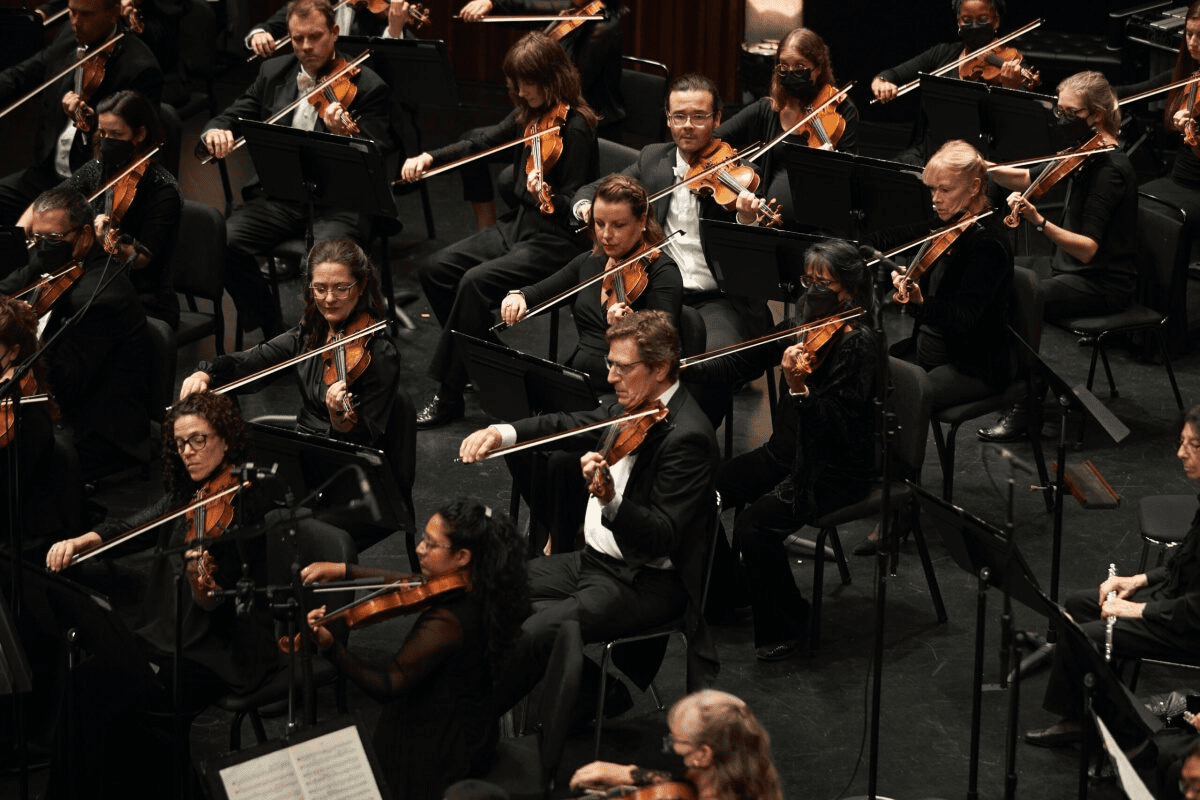
Residents of Ottawa found it difficult to accept the closure of Opera Lyra Ottawa. Reactions on social media evolved through the following stages:
- Denial – The company’s significant success before the 2008 economic downturn made it hard to believe its closure was imminent.
- Anger – Frustration was directed at the government. However, Opera Lyra Ottawa’s leadership clarified that its financial struggles stemmed from multiple sources, including declining sponsorships and unexpected revenue losses from ticket sales.
- Bargaining – Many hoped that the announcement of bankruptcy did not necessarily mean the end and that a revival might be possible.
- Depression – A realization that professional opera was disappearing from Ottawa.
- Acceptance – The final stage recognized the need for bold, young, and diverse leaders to take charge of Canada’s arts scene.
A final note: New Opera Lyra may evoke associations with Opera Lyra Ottawa, but this organization has no connection to the professional opera company that closed in 2015.
Sources: