


The 19th century can be characterized as a period when the concept of “leisure” became more widespread. The wealthy had long enjoyed various forms of entertainment, but these privileges gradually extended to the middle classes. This article explores the ways Ottawa’s residents spent their free time, bringing to light some of the most fascinating aspects of entertainment during this era. More on ottawa-trend.com.
Cinema
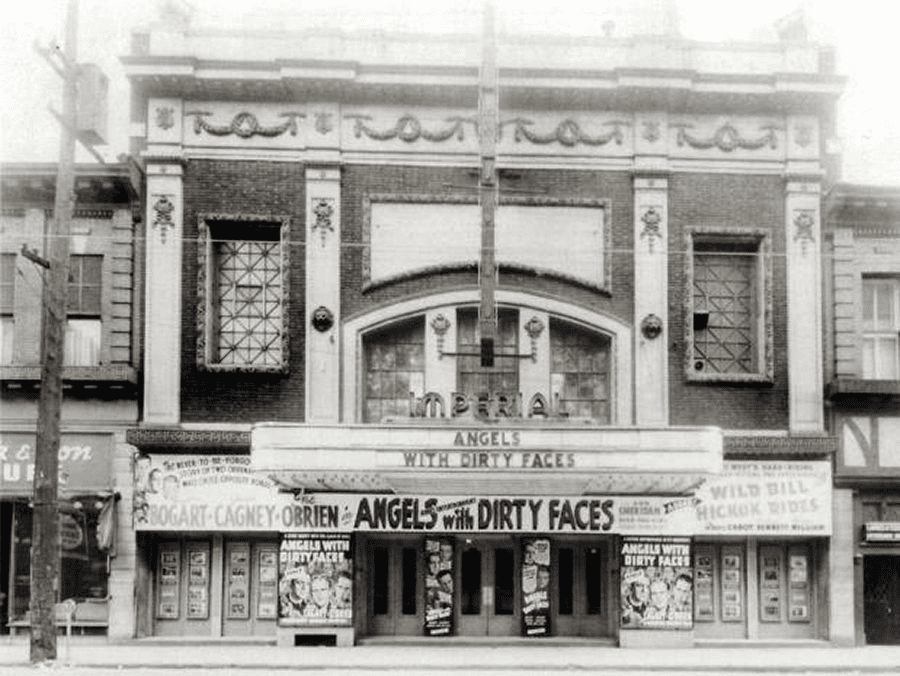
Modern city dwellers find it difficult to imagine a world without familiar entertainment options. Imagine a time without phones, the internet, or a vast selection of films and TV series. In late 1894, the Kinetoscope Salon opened on Sparks Street near Bank Street. This long-anticipated event attracted large crowds eager to be among the first to witness moving images, including women dancing and men boxing.
By 1896, Andrew and George Holland brought the kinetoscope to Ottawa. These two ambitious and talented brothers secured their place in Canadian cinema history.
Ottawa residents were captivated by images of locomotives and the moving depiction of Niagara Falls. Many eagerly anticipated trips to West End Park, located near the intersection of Holland Avenue and Ruskin Street.
One of the most popular American comedies of the time was Stand-In, just one example from the rich and diverse collection of entertainment available to Ottawans.
Interesting Facts About Cultural Life in Ottawa
Here are some intriguing facts you may not have known:
- Many films were targeted at female audiences.
- After a long struggle, local theatre owners were finally allowed to show films on Sundays. Previously, laws had prohibited such screenings. This change allowed theatres in places like Gatineau to generate steady profits over the decades, with support from Ottawa’s philanthropists.
- Theatres frequently showcased stage performances and vaudeville acts. Among the most prestigious venues of the time were the Russell Theatre, the Grand Opera House, and Her Majesty’s Theatre.
- After 1910, cinemas became a more respectable form of entertainment, largely due to improved viewing conditions. Auditoriums were equipped with state-of-the-art ventilation systems.
Opera
At the beginning of the 19th century, Ottawa’s population was less than 30,000—significantly smaller than that of Montreal or Toronto. However, a small but wealthy and influential elite in Ottawa shaped the city’s social and political landscape. Many of these individuals amassed their fortunes through the timber industry.
During this period, the Grand Opera House was built, boasting a high-quality hall for theatrical performances. Established in 1874 on Sparks Street, it hosted esteemed guests such as the Governor General, the Marquess of Lorne, and Princess Louise, who were welcomed with a special Canadian musical arrangement composed by Arthur A. Clappe. Unfortunately, the building was destroyed by fire in 1913.
Theatre
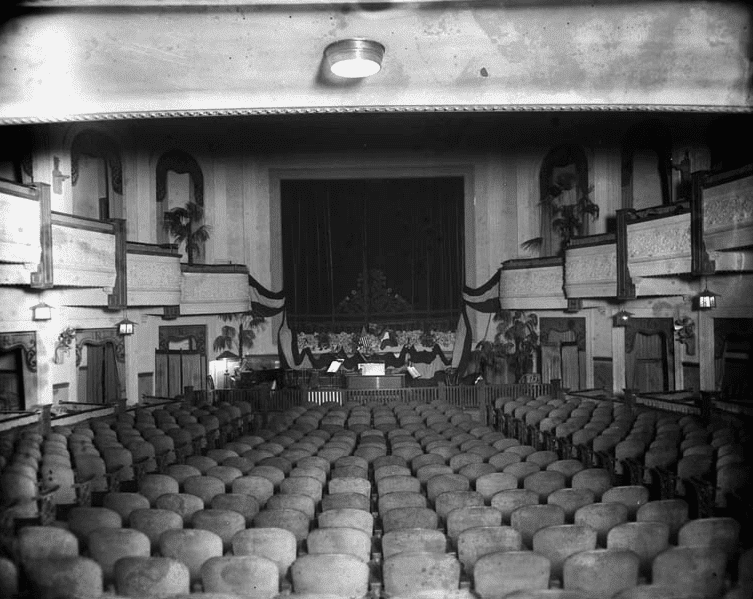
The opening of the Imperial Theatre in 1914 marked the beginning of a true theatre boom. Business was booming, and passersby frequently stopped to check show schedules. One of the most remarkable theatres of the time was the Flower Theatre, later renamed Strand. However, fierce competition eventually led to its closure.
Advertising for theatres also evolved. A notable slogan from that era read:
“If you don’t take your wife to the theatre tonight, she’ll never forgive you.”
The theatre even introduced a retractable roof, allowing for an unforgettable romantic experience—watching films under the stars.
The Best Theatres
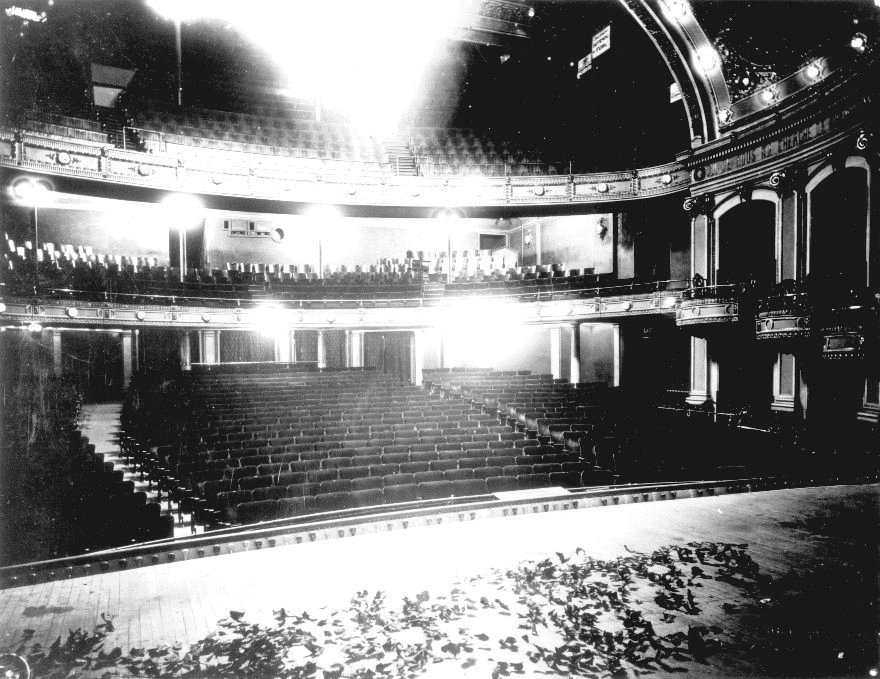
Wealthy citizens increasingly invested in lavish cinema palaces. The most famous and beloved venue was the Capitol Theatre. Other notable theatres included Mayfair and Bytowne. During the so-called “Golden Age of Cinema,” approximately 25 theatres were built in Ottawa. They thrived for a time but eventually faced decline.
Genres Popular in the 19th Century:
- Popular novels were often adapted into stage performances, exploring themes relevant to various social classes.
- Parody was a widely loved genre. Burlesque was particularly popular and appreciated for its high level of acting.
- Classic English drama and melodrama gained prominence, alongside lighthearted comedies.
- Romantic melodramas, which evoked strong emotions and an immersive atmosphere, were in high demand.
Popular Performances
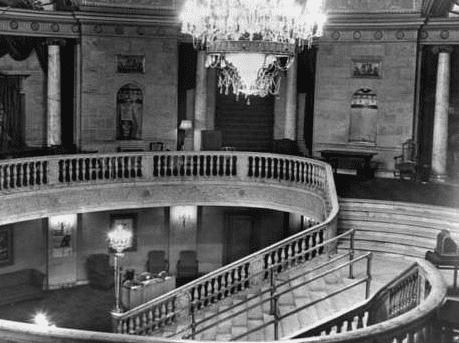
Here are some of the most eagerly anticipated performances of the time:
- The School for Scandal by Richard Sheridan – This play was immediately dubbed “fashionable and grand” by audiences. Tickets cost $1.50, and seats were sold out a week in advance.
- She Stoops to Conquer by Oliver Goldsmith.
- Gossip, performed at the Grand Opera House, became the social event of the season. Ticket prices ranged from 50 cents to $1.50.
- The Degenerates, a play by English dramatist Sydney Grundy, was staged as a benefit performance, with proceeds donated to support firefighters.
Ballet
Ballet became widely accessible only after 1951, following the establishment of a dedicated ballet school in Toronto, Ontario.
Other Forms of Entertainment
For the working class, entertainment extended beyond theatres, operas, and cinemas. While these venues symbolized wealth and leisure, other pastimes were equally significant.
- A day at the races – Middle- and upper-class citizens frequented classical theatres and musical salons, while the working class attended circuses. Animal races, boat races, and strength competitions were common. Examples included horse racing, cockfights, dog fights, and even bear-baiting.
- Gambling became increasingly popular and was often seen as a quick way to improve one’s financial standing.
- Public houses and taverns – Since the 18th century, these establishments played an integral role in urban life. By the 19th century, they were predominantly associated with the working class, common folk, and travelers.
Sports Life in Ottawa
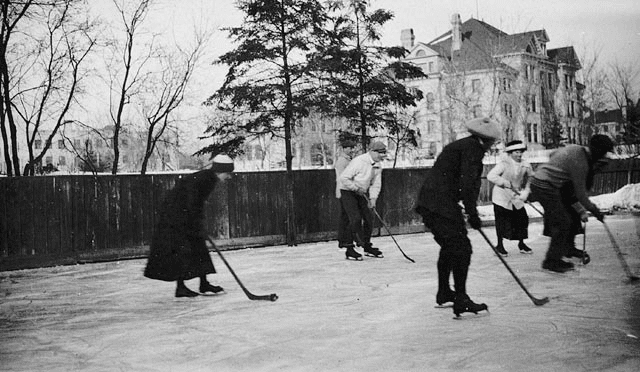
Sports were another form of leisure in the 19th century. The most popular activities included:
- Canoeing and snowshoeing
- Horse racing and curling
- Traditional sports such as cricket
- Lacrosse, which was closely associated with Indigenous culture
- Hand-to-hand combat sports
Gentlemen’s Clubs
Wealthy men in Ottawa followed the British tradition of gentlemen’s clubs. These elegant establishments were located in the city’s business district. Membership was exclusive, reserved only for the elite. These clubs served as bastions of upper-class patriarchal society, offering a refined form of leisure.
A Wide Range of Entertainment in Ottawa
Both wealthy and working-class citizens had ample entertainment options in Ottawa. Of course, the elite had access to more luxurious activities. However, this historical exploration of 19th-century entertainment provides insight into how Ottawa’s residents lived beyond their work obligations.
Naturally, modern readers may compare past leisure activities with those available today. The options were certainly more limited, but each opportunity to relax and have fun was cherished, making every moment of entertainment truly special.