


The Ottawa Symphony Orchestra (OSO) is the capital’s premier symphony orchestra, consisting of professional musicians, amateurs, and students. As the largest symphonic ensemble in Ottawa, it has played a vital role in the city’s cultural scene. More about its history and notable figures on ottawa-trend.com.
The Founding of the Orchestra
The origins of Ottawa’s symphonic tradition date back to 1894, when a civic symphony was first formed. Over the years, it underwent various name changes, structural revisions, and relocations to different performance venues. However, financial stability remained an ongoing challenge.
The Ottawa Symphony Orchestra was officially founded in 1944 by local musicians under the leadership of Allard de Ridder, a Dutch-Canadian conductor, violist, and composer. Until 1952, the ensemble was known as the Ottawa Philharmonic Orchestra, though both names were widely used. At the time, the orchestra had 75 musicians.
Unfortunately, in 1960, the orchestra ceased operations due to insufficient funding. Musicians were not receiving salaries, making it impossible to continue.
Soon after, the National Arts Centre (NAC) announced the establishment of the National Arts Centre Orchestra (NACO), a full-time professional orchestra based in Ottawa. As a result, the Ottawa Symphony Orchestra was dissolved.
Ottawa Civic Symphony
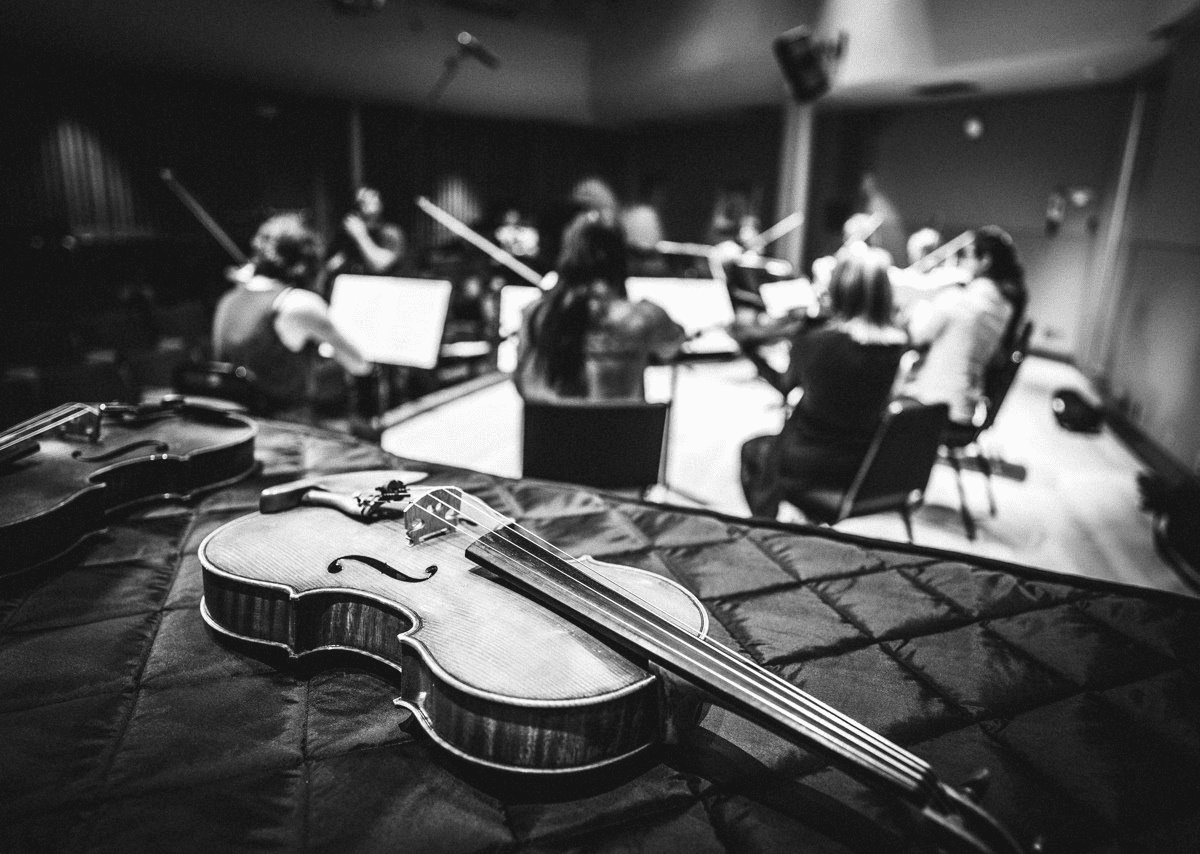
Following the dissolution of the Ottawa Philharmonic Orchestra, former musicians joined forces with Maurice Haycock to establish an amateur symphony ensemble known as the Ottawa Civic Symphony.
In 1976, the orchestra was officially renamed the Ottawa Symphony Orchestra (OSO).
Today, OSO remains a key cultural institution, contributing to Ottawa’s musical heritage for decades.
Mission and Support
The mission of the OSO is to enrich the community through symphonic music while fostering public interest and appreciation. In addition to performances, OSO is actively involved in education and mentorship programs, particularly with students from the University of Ottawa’s Faculty of Music.
The OSO runs three key educational programs:
- Young Musicians Mentorship Program – providing opportunities for students to perform alongside professional musicians.
- “Symphony for Schools” Concert Series – bringing symphonic music to elementary schools in the Ottawa region.
- “Students at the Symphony” Program – offering free tickets to high school students.
The OSO’s musicians and audience primarily consist of Ottawa and Ontario residents. The orchestra includes:
- Professional musicians, some of whom also perform with the National Arts Centre Orchestra.
- University of Ottawa music students.
- Highly skilled amateur musicians from the local community.
The OSO receives financial support from various sources, including:
- The Government of Ontario through the Ontario Arts Council.
- The City of Ottawa.
- The University of Ottawa.
- The Canada Council for the Arts.
- The Ontario Trillium Foundation.
- Private donors, sponsors, and corporate partnerships.
Repertoire
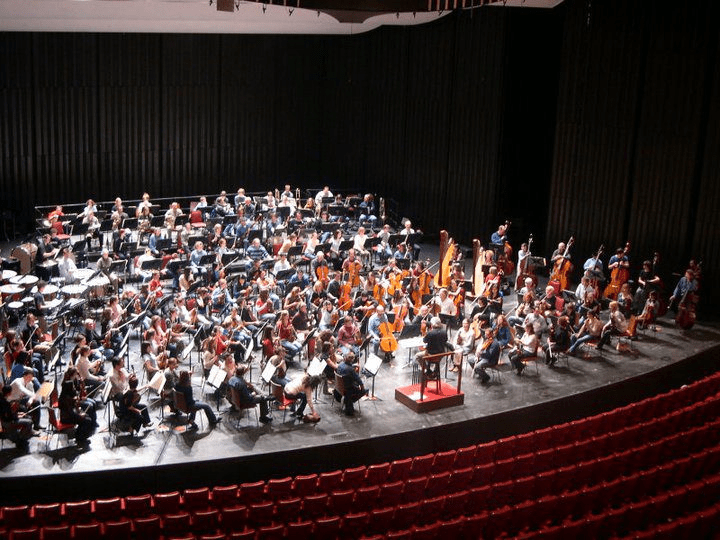
As the largest symphony orchestra in Ottawa, OSO has the capability to perform a wide range of works from the 19th and 20th centuries, including compositions by Canadian composers. The OSO’s repertoire is distinct from that of the National Arts Centre Orchestra.
A key aspect of OSO’s success is its collaborations with various local music ensembles, including:
- Opera Lyra Ottawa.
- Ottawa Choral Society.
- Ottawa Youth Orchestra.
- University of Ottawa Choir.
- Central Youth Choir.
These partnerships have enriched OSO’s performances, much to the delight of Ottawa’s music lovers.
Since the 1970s, OSO has performed in the Southam Hall of the National Arts Centre, Ottawa’s largest concert venue. Since 2016, the orchestra has been led by Maestro Alain Trudel. Initially appointed as a creative consultant and principal guest conductor, Trudel later became the Music Director of the Laval Symphony Orchestra, Youth Conductor for the National Arts Centre Orchestra, and a prominent artistic leader in Canada.
The local press has described Alain Trudel as an exceptional conductor, musician, and performer.
Former OSO concertmaster Mary-Elizabeth Brown is another notable figure in the orchestra’s history.
Music During the Pandemic
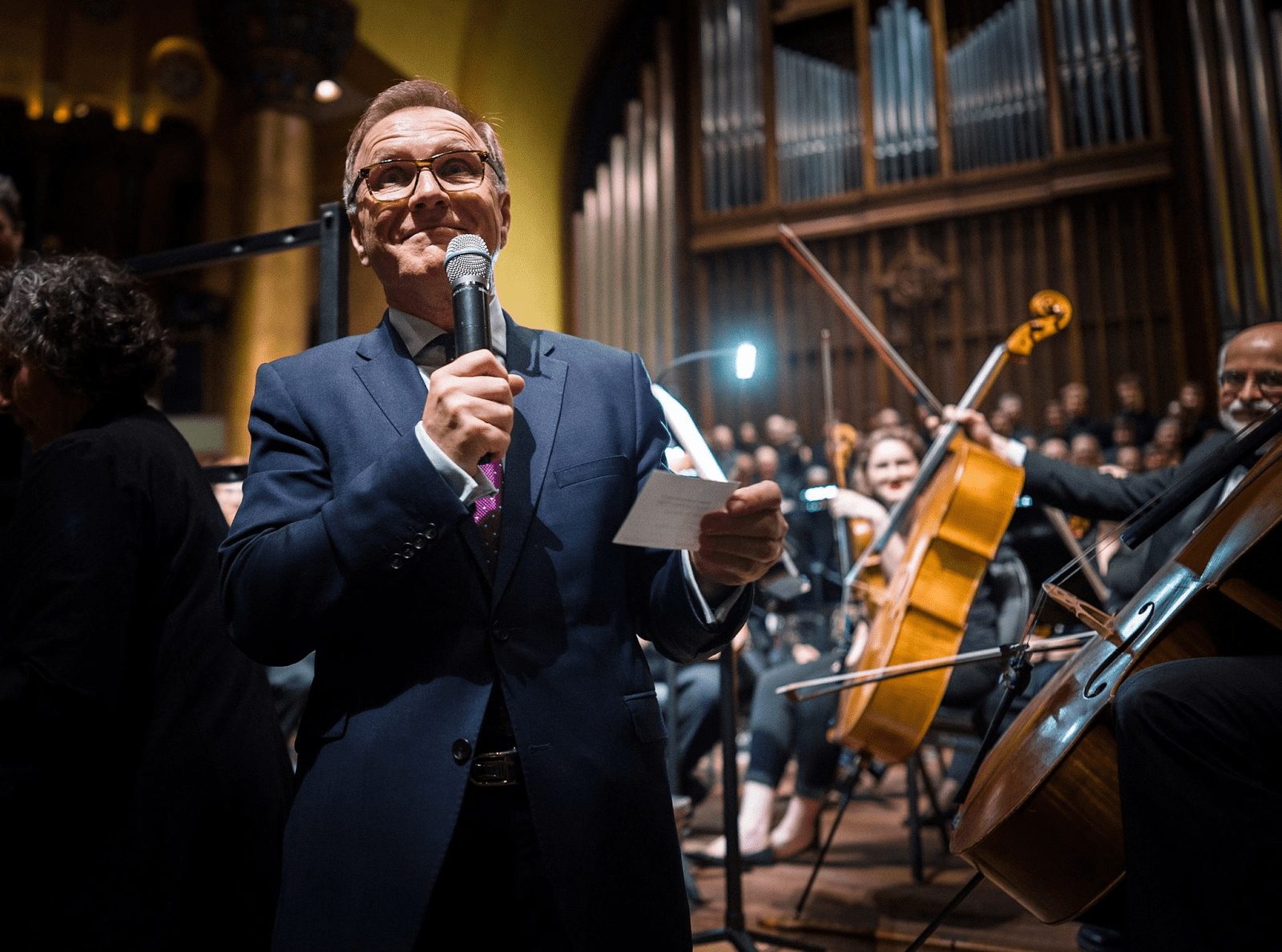
The COVID-19 pandemic forced significant changes within the OSO. According to Erica Miller, OSO’s concertmaster and head of the Artistic Planning Committee, the orchestra had to address financial challenges while maintaining its status as Ottawa’s largest symphonic ensemble.
As a result:
- The orchestra eliminated the roles of conductor and artistic director, replacing them with an Artistic Planning Committee.
- Alain Trudel’s contract ended in 2020.
- A five-member committee with voting rights was established to oversee artistic decisions.
To sustain its operations, the OSO launched archival recordings of past concerts under the “RE-JOYce” project. In partnership with Rogers TV Ottawa, a series of recorded performances aired every two weeks, starting on April 13, 2020.
This initiative helped reduce OSO’s financial deficit, which had reached approximately $80,000, as live performances were canceled due to pandemic restrictions.
To further improve its financial situation, the orchestra introduced a fundraising lottery called “Catch the Ace.”
Additionally, OSO has been working on a new concept: “relaxed concerts,” designed for diverse and inclusive audiences.
The orchestra continues its strong collaboration with University of Ottawa music students, providing performance opportunities for young musicians.
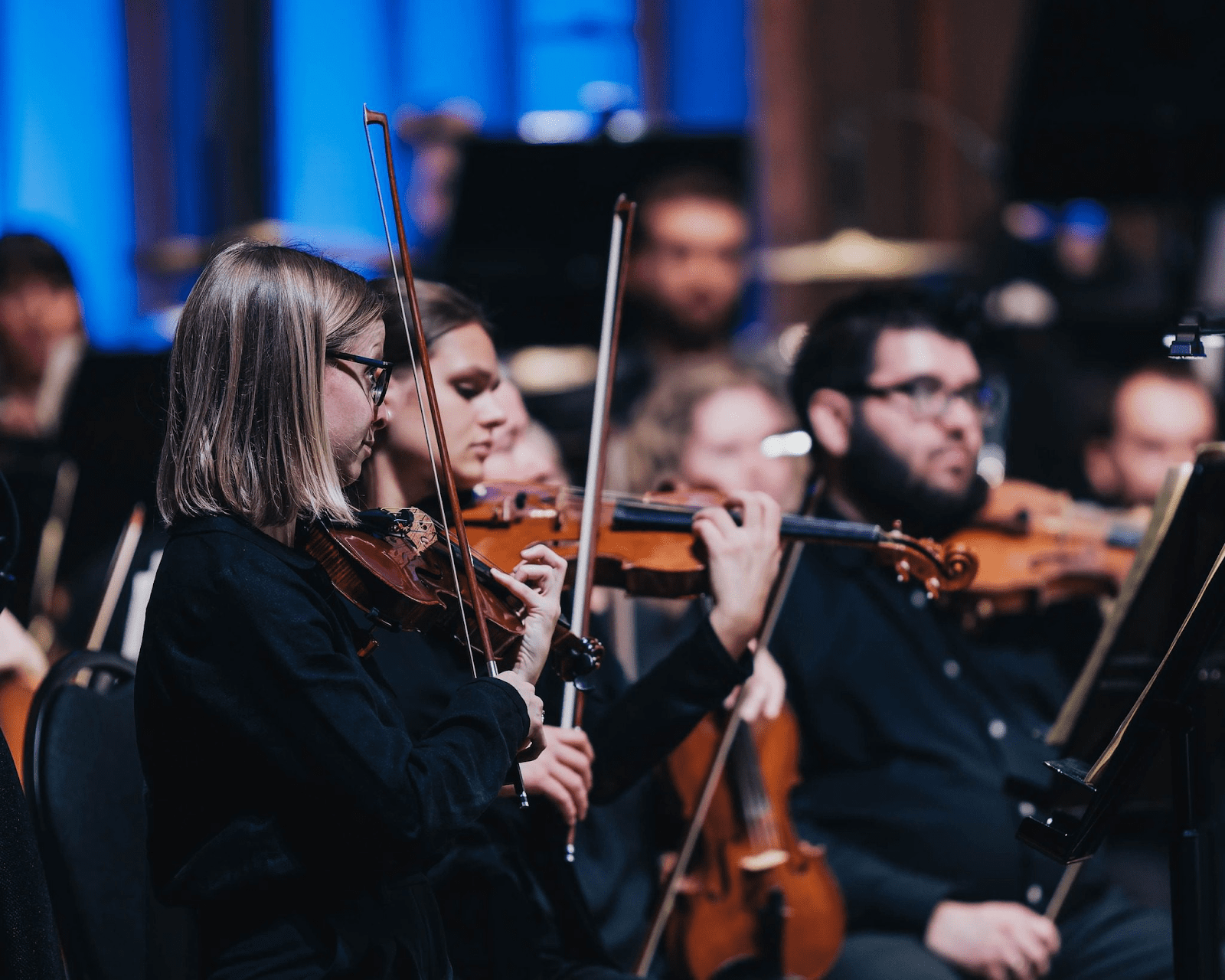
The OSO aims to become more accessible, diverse, and modern while preserving its legacy. The Artistic Planning Committee also prioritizes:
- Greater inclusivity among musicians.
- More opportunities for female conductors.
Ottawa Symphony Orchestra for the Modern Audience
Changes in OSO’s structure were influenced by:
- An aging audience.
- Declining attendance.
- The need to explore new performance spaces.
The key challenge was: Can OSO appeal to a broader and more diverse audience without compromising its classical roots?
The answer lay in strategic rebranding, focusing on:
- Enhancing OSO’s value proposition to attract contemporary audiences.
- Increasing attendance through innovative programming.
- Ensuring long-term financial stability.
Ottawa is home to exceptionally talented musicians, and OSO serves as an important platform for local, regional, and national artists. The orchestra frequently features Ottawa-based soloists, offering a stage for Canadian talent.
Sources