In Ottawa, as in many major cities worldwide, cinema developed rapidly in the early 20th century. In 1918, the Canadian Government Motion Picture Bureau was established in Ottawa. Throughout the first half of the 20th century, this bureau played a leading role in Canadian film production. However, in 1939, a new and more modern organization was founded to produce government films, giving a significant boost to the development of Canadian cinema. More details on ottawa-trend.com.
What Led to the Creation of a New Cinematic Organization?
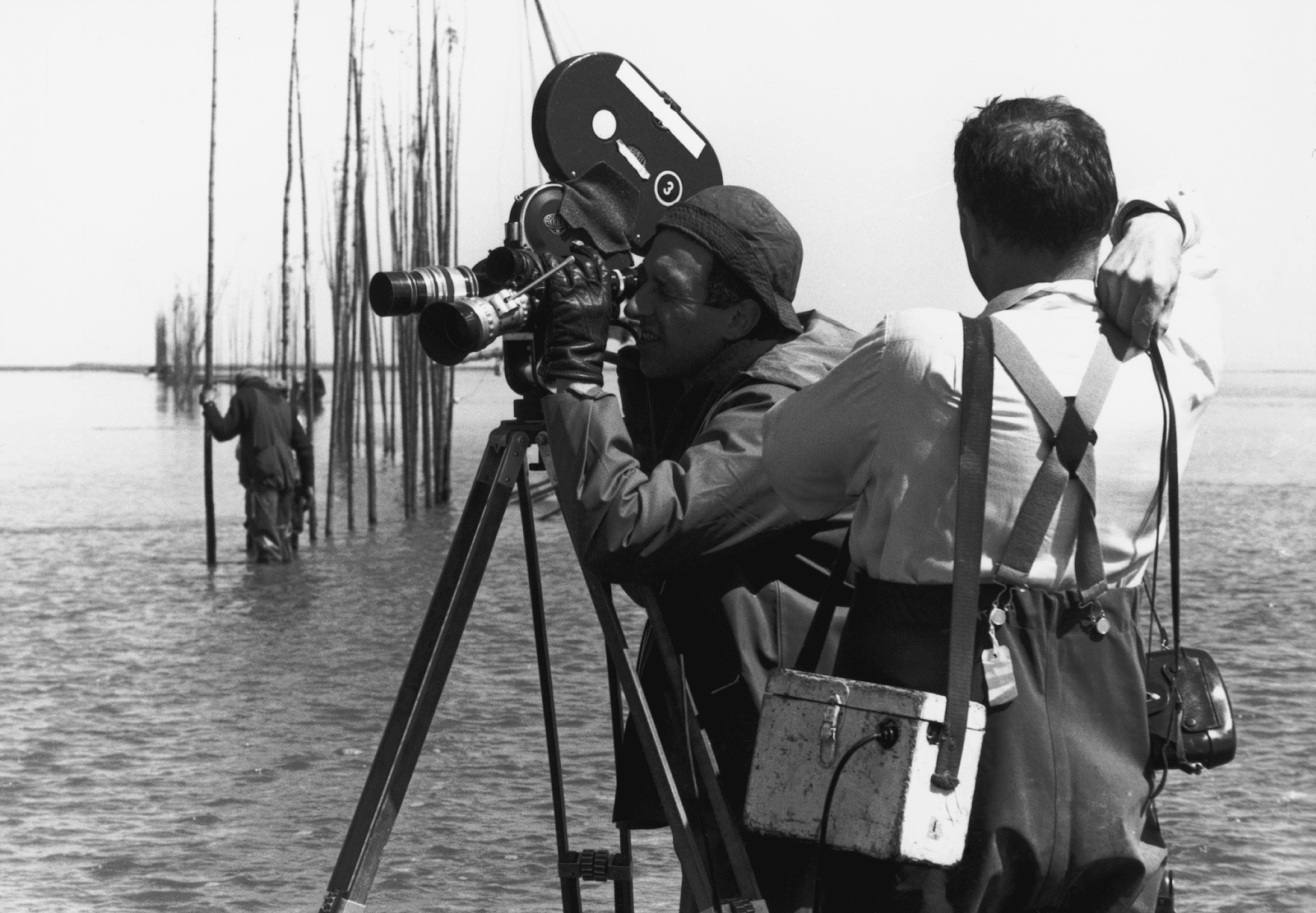
In the first half of the 20th century, the concept of “documentary film” emerged in England. However, Canada lagged slightly behind in the development of the film industry. As a result, in 1938, British producer John Grierson was invited to Canada to assess the state of the country’s film production. Grierson compiled a comprehensive report on the condition of Canada’s government filmmaking and provided numerous recommendations, which the Canadian government incorporated into legislation in 1939. These legislative changes led to significant advancements in the national film industry. That same year, the National Film Board of Canada (NFB) was established. In addition to fostering Canadian cinema, one of the NFB’s early tasks was wartime propaganda during World War II.
Early Years and Rapid Growth
Initially, the new government film agency was intended solely for advisory purposes in the field of cinematography and operated with a small staff. However, Grierson and the high demand for wartime film production completely reshaped its original purpose. During World War II, film production in Ottawa surged. This growth led to the complete absorption of the Canadian Government Motion Picture Bureau by the NFB. By 1945, the NFB had become one of the world’s largest film studios, employing more than 700 people.
Film Production
By 1945, the NFB had produced and released over 500 films, including two wartime propaganda series:
- Canada Carries On
- The World in Action
The first film released by the NFB in 1941 was Churchill’s Island, a documentary that won an Academy Award. In 1952, the NFB released another documentary, Neighbours, which also won an Oscar for Best Documentary (Short Subject).
In addition to documentaries and series, the Ottawa studio also produced animated films. Over time, it expanded into government-backed feature film production, including:
- The Luck of Ginger Coffey (1964)
- The Apprenticeship of Duddy Kravitz (1974)
- The Company of Strangers (1990)
- Atanarjuat: The Fast Runner (2001)
The Ottawa studio achieved great success in feature filmmaking, earning numerous prestigious awards. In 1989, the NFB itself received an Academy Award for its contributions to cinema.
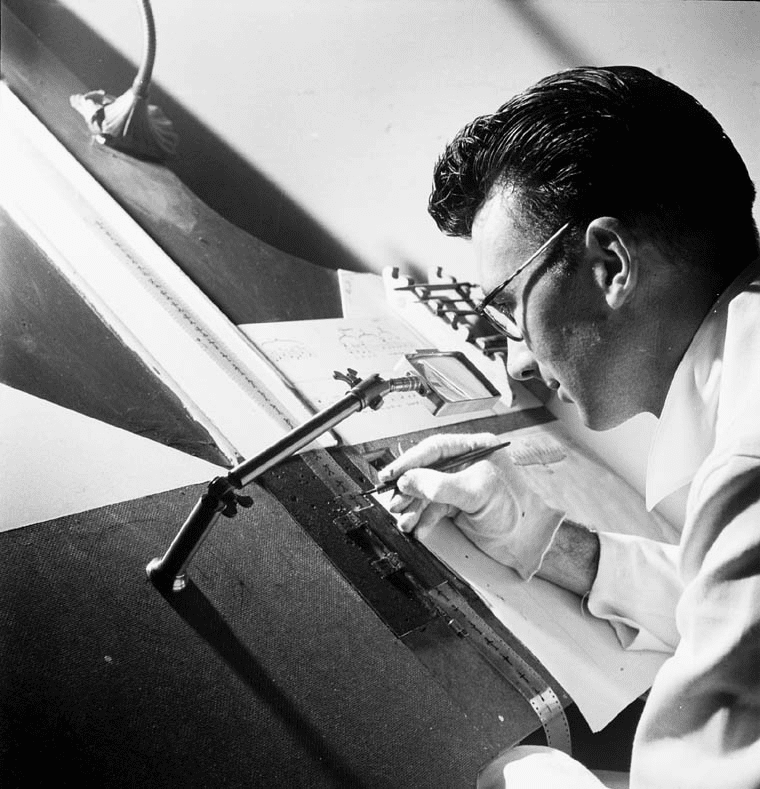
Structural Features of the Ottawa Film Studio
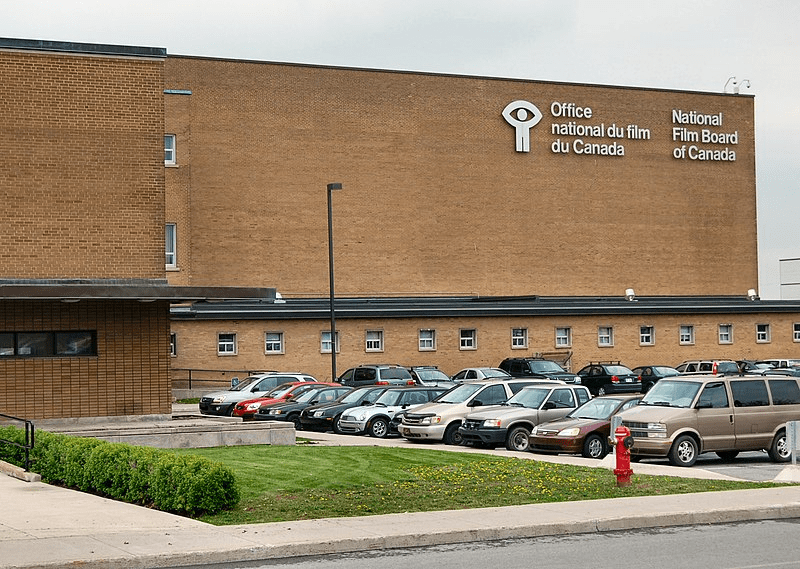
When the NFB was founded in 1939, it was predominantly an English-language institution. Since its headquarters was located in Canada’s capital, about 90% of its staff spoke English, while the remaining 10% were French speakers. Francophone employees worked closely with English-speaking production teams and were primarily responsible for translating films into French. However, the translation department was led by an English-speaking Ottawa resident, and in the studio’s annual reports, French-language films were classified under the category of “foreign languages.”
In 1947, the NFB took significant steps to expand and strengthen its French-language production division. Jacques Bobet was appointed as the chief producer for French-language versions of NFB films. By 1951, a fully operational French-language production unit was established in Quebec, allowing francophone filmmakers to create cinematic masterpieces in their native language. Pierre Juneau, a talented figure in the film industry, was brought in as an advisor for film production. However, until the 1950s, French-language film production remained minimal and largely unsuccessful until the NFB began hiring skilled directors from Quebec.
From 1939 to 1945, the NFB was led by John Grierson, the same individual who had initially proposed modernizing Canada’s film industry. During the same period, Ross McLean served as Grierson’s deputy and later succeeded him in 1945. McLean faced significant challenges, as the studio’s development coincided with wartime constraints. Government funding for film production was drastically reduced, and the studio experienced major staff cuts. Additionally, the NFB faced criticism from the public and independent filmmakers, who accused it of holding a monopoly that threatened Canada’s commercial film industry.
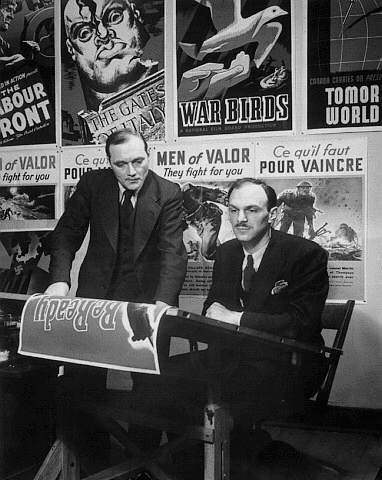
McLean served as the studio’s head for five years before being replaced in 1950 by Albert W. Trueman. Trueman successfully resolved tensions with the public and independent filmmakers in Ottawa, putting an end to widespread opposition to the NFB. Under his leadership, a new National Film Act was introduced, and the Ottawa studio underwent a complete restructuring to meet modern industry standards. As part of these changes, the NFB relocated from Ottawa to Montreal.

The Studio in the 21st Century
A major milestone in the NFB’s development was the launch of a mobile app for the iPhone in 2009. This app allowed users to stream a vast collection of NFB films directly on their phones. In 2010, a similar version was released for the iPad, enabling users to watch NFB films on a larger screen with enhanced quality.
Despite these advancements, the NFB encountered financial difficulties in the 21st century. The studio faced its first major funding crisis in 2006, followed by additional budget cuts in 2012, when funding was reduced by nearly 10%. As a result, over 70 positions were eliminated.
During the mid-20th century, the NFB was at its peak, leading the Canadian documentary film industry. Thanks to the NFB, influential cinematic movements such as Cinéma Vérité and Direct Cinema emerged, inspiring French filmmakers in particular. The NFB was also at the forefront of technological innovations in filmmaking and sound recording.
Furthermore, Canada’s diverse landscapes provided stunning backdrops for many NFB films that resonated with audiences. The NFB’s feature films, series, documentaries, and animated productions were on par with those of the leading film studios of the 20th century.