


City Fidelia is a renowned Canadian rapper, community builder, and entrepreneur. Born Luigi Fidelia, he sees himself as an artist from a small city with big dreams. More details at ottawa-trend.com.
Childhood
Although City Fidelia was born in Montreal, he grew up in Ottawa. He was one of five children in his family. His nickname, City, was given to him by a neighbor who called him a city boy. City Fidelia always wanted to stay close to his community in Ottawa, and he believed that his stage name symbolized his deep connection and devotion to the city.
His father was a musician and bass guitarist, which influenced his early interest in music. As a child, City Fidelia often attended his father’s concerts, and by the age of eight, he was already writing his own music.
After high school, he enrolled at Carleton University, where he studied law and criminology. However, he soon realized that his true path was different. Music had been his passion since childhood—it was his way of expressing himself and connecting with people. He decided to drop out of university to pursue music full-time. Although his parents supported him, they were reluctant about him abandoning his education for music.
His mother was deeply involved in community work, helping to bail out youth from jail and provide shelter to homeless minors. City Fidelia considers his mother a powerful source of inspiration, which led him to become a community builder himself. He founded House of Ensemble, an organization that emerged at the intersection of music and business.
House of Ensemble includes:
- House of Ensemble Records – a recording label
- The clubHouse – a creative community space
- Several non-profit initiatives that support Ottawa’s Black community and low-income residents
Unofficially, the organization calls itself “an infrastructure for emerging talent”.
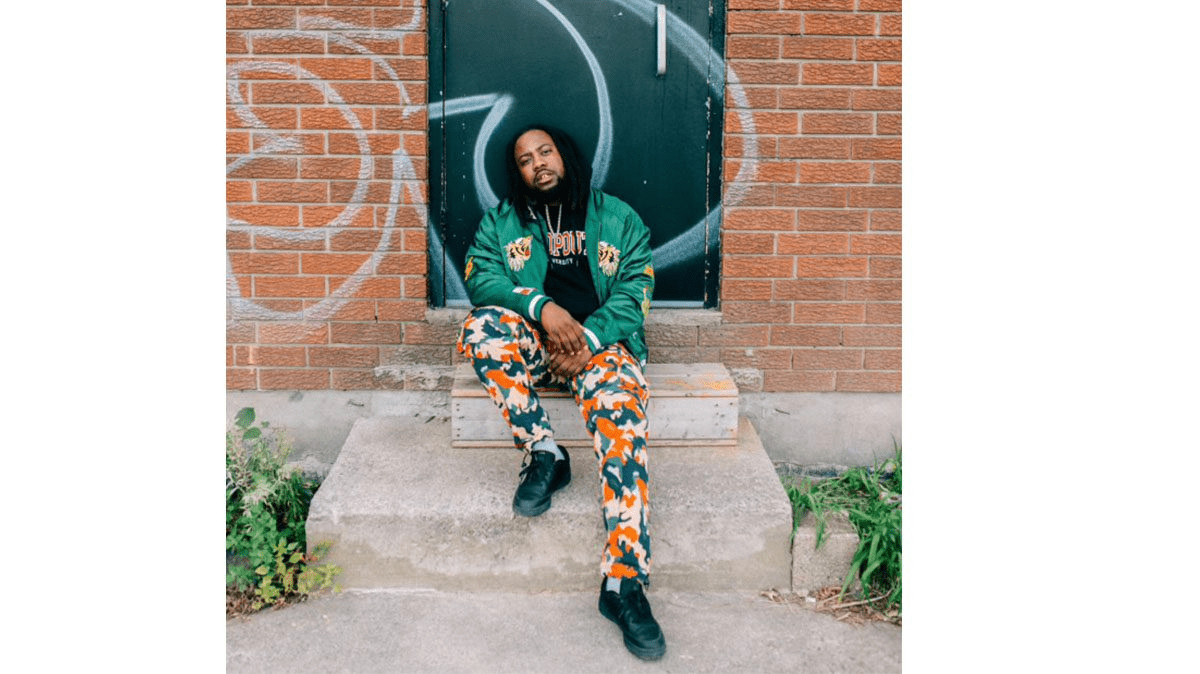
Rising Popularity
City Fidelia has performed to sold-out crowds not only in Ottawa and across Canada but also in North America, Asia, and Europe.
He has collaborated with notable artists, including:
- Malik Yusef (G.O.O.D Music)
- Timbaland
- Vic Mensa
City Fidelia is one of the few artists from Ottawa who has achieved such success. However, he also gained recognition for working with young, unknown but talented urban musicians and artists. He believes in telling stories, creating opportunities, and empowering Black artists. His mission is to ensure that talented individuals from Ottawa, regardless of financial hardship or life struggles, realize they have a chance to succeed.
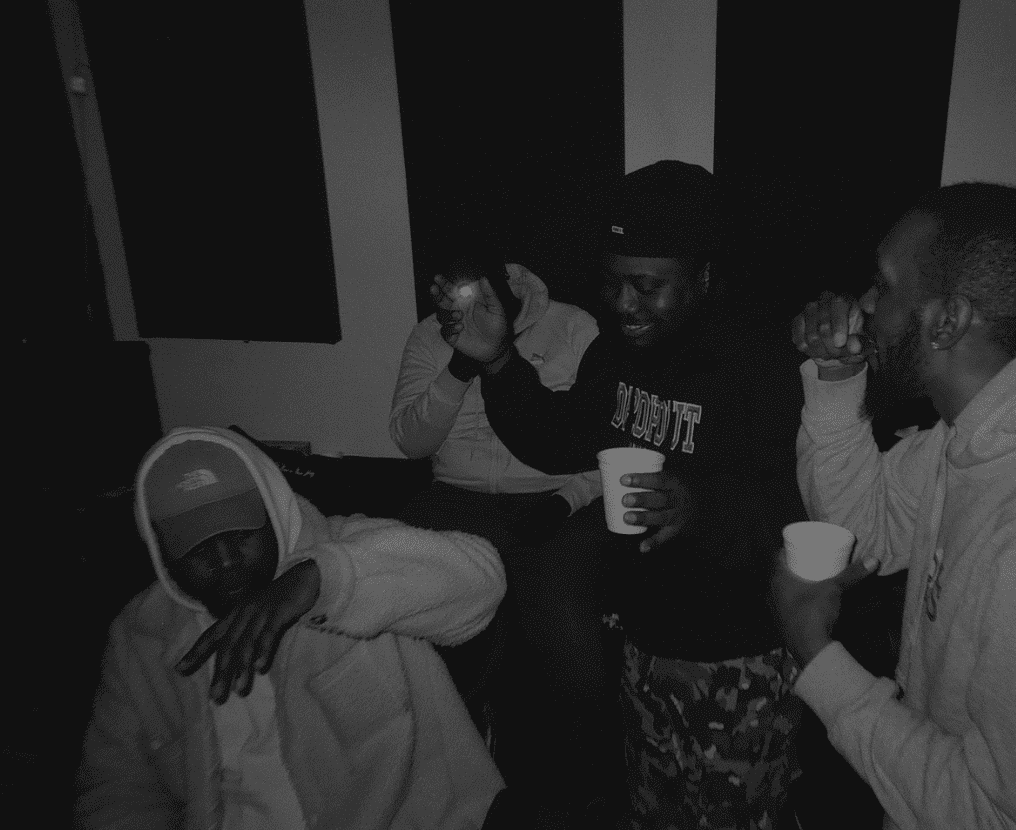
Entrepreneurship: Opening a Recording Studio
Beyond his music career, City Fidelia is an entrepreneur. In 2020, he co-founded Real House of Ensemble alongside:
- Stan Lukoki (Executive Director)
- Abe Abadi
- Jeff Sanon
Real House of Ensemble is a creative space and recording studio located in Ottawa.
Key Steps Before Launching the Studio
Before opening the studio, City Fidelia was actively involved in community initiatives, including:
- Fundraising for COVID-19 relief in partnership with Ottawa Mission, Ottawa Food Bank, and CHEO (Children’s Hospital of Eastern Ontario)
- Meeting with local hip-hop leaders and former Ottawa Mayor Jim Watson
- Becoming Program Director at radio station CHUO in 2021, which helped many artists find job opportunities
Real House of Ensemble is a membership-based studio and creative space where artists can record and collaborate. It is regarded as a major milestone in the growth of Ottawa’s hip-hop scene and is quickly becoming one of the city’s leading recording studios.
Inside the studio, there is a mural of the late Los Angeles rapper Nipsey Hussle, created by Ottawa artist Robbie Larivière. The space is designed with leather couches, TVs, and a monochrome aesthetic, creating an inviting and professional atmosphere.
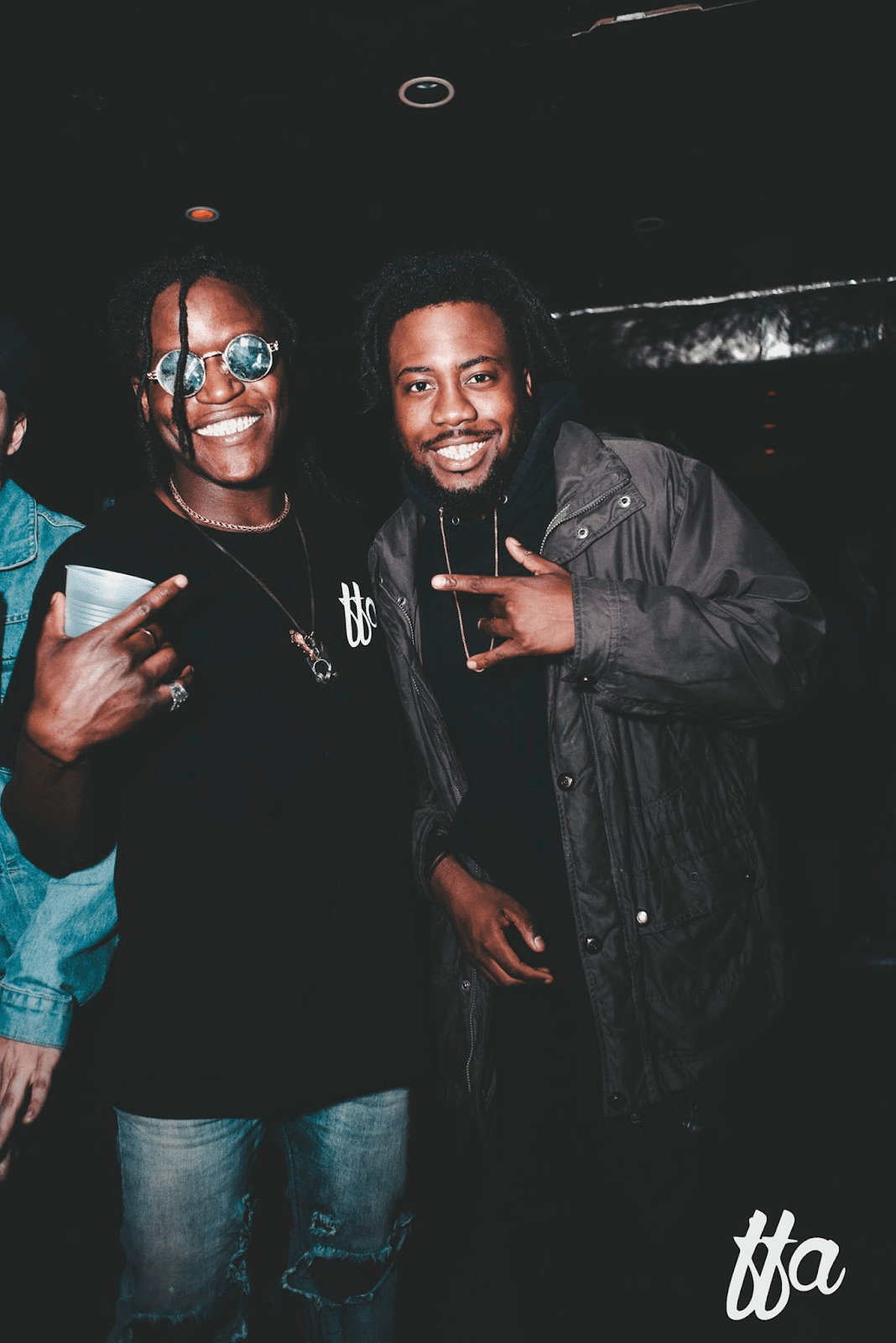
The Story Behind the Recording Studio
City Fidelia partnered with Abe Abadi, a music producer who had previously closed his recording studio on Rideau Street in Ottawa.
Together, they presented their new recording studio to then-Mayor Jim Watson, who officially welcomed the project and presented them with a commemorative plaque.
At the event, City Fidelia thanked the audience for their support, emphasizing that the studio was an essential step toward progress, expanding opportunities, and recognizing Black culture. His commitment to investing in Ottawa’s creative community did not go unnoticed.
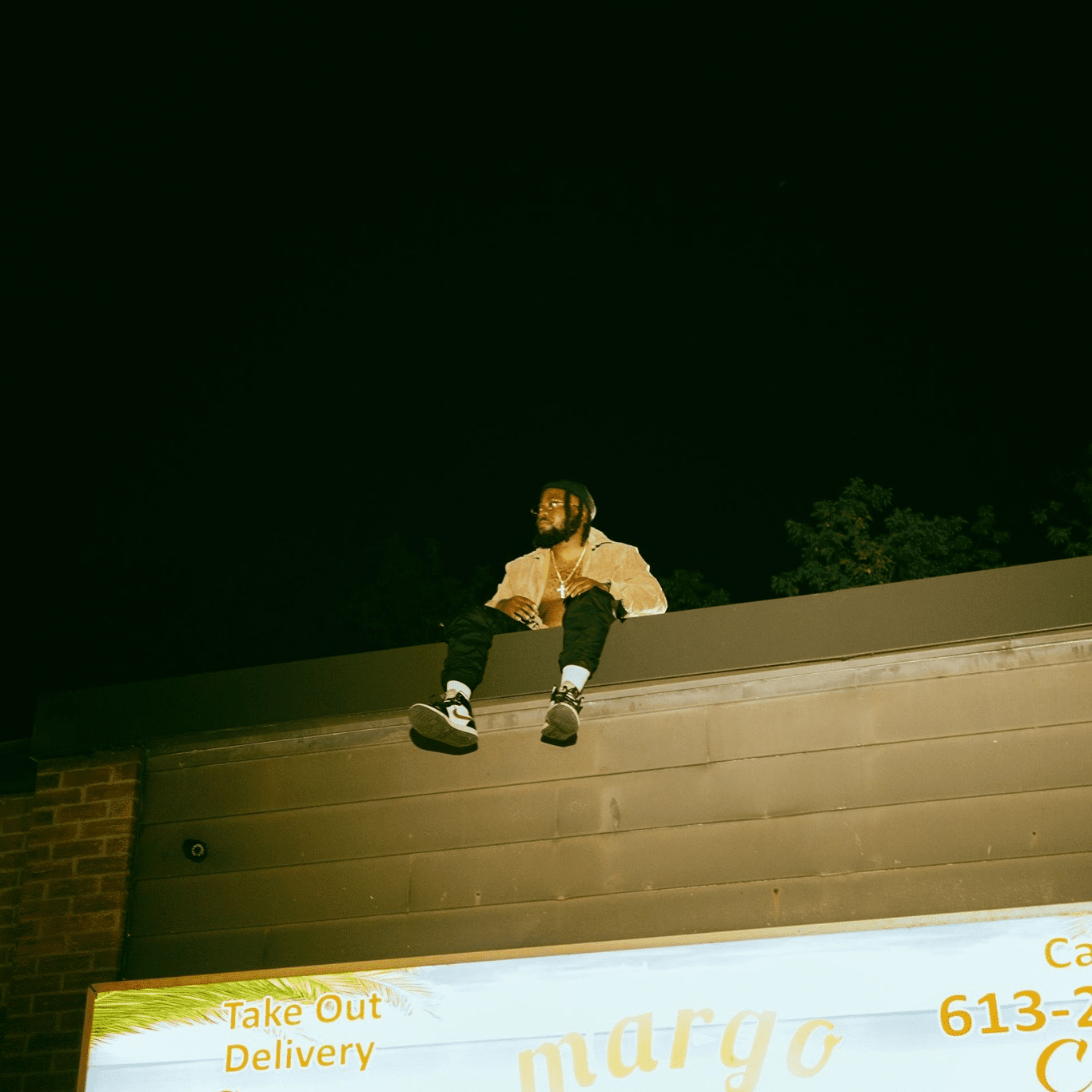
The Impact of the Pandemic
The COVID-19 pandemic was a difficult time for many, especially creative individuals. However, City Fidelia saw it as a golden opportunity to reconnect with his family and collaborate with fellow artists.
He described his daily routine during the pandemic:
- Morning: Meetings
- Afternoon: Work at the radio station
- Evening: Studio sessions with other artists
His music is deeply personal and reflects his life experiences. Through his lyrics, he strives to heal and inspire listeners.
Many of his early songs capture the vibe of his upbringing in Ottawa’s Chinatown. Growing up surrounded by Asian friends who loved hip-hop, he was immersed in a diverse cultural environment.
City Fidelia’s story is not simple—he has faced injustice and inequality from a young age. For instance, his cousins were wrongly accused of stealing a neighbor’s car, and he himself had past conflicts with law enforcement. However, he has left those struggles behind and focused on his art and activism.
Drugs and Loaded Weapons
On February 18, 2021, City Fidelia released the single Drugs and Loaded Weapons in honor of Black History Month.
Black History Month is celebrated in Canada and the U.S., recognizing the fight against racism, slavery, discrimination, and poverty. It is also a time to highlight the cultural and political contributions of Black individuals.
City Fidelia explained that Drugs and Loaded Weapons sends a powerful message to law enforcement and the government:
- Black individuals have a choice and a voice
- They deserve to be heard and respected
The song was written after the killing of George Floyd and expresses feelings of frustration and anger. However, City Fidelia later realized that the track could serve as a reminder—the fight for justice is far from over.
Sources: