


Ottawa has been home to many outstanding talents throughout history, from the 21st century to previous eras. One of the most beloved figures in Canadian entertainment was Lorne Hyman Greene—a celebrated actor, singer, and musician. His films and television shows shaped the childhoods of generations in the 20th century. Read more at ottawa-trend.com.
Early Career and Name Change
Lorne Hyman Greene was born in Ottawa in 1915 to a Jewish family that had emigrated from the Russian Empire. His mother, Dora Greenowsky, affectionately called him “Chaim” in his early years. However, official school documents listed his name as “Hyman.” At some point, he began using the name “Lorne” and added an extra “e” to his surname, changing it from “Gren” to “Greene,” symbolizing the color green.
Greene’s talent for acting first emerged during his time at Camp Arowhon in Algonquin Park, where he worked as a drama instructor.
After finishing high school, he enrolled at Queen’s University, majoring in chemical engineering. While pursuing his studies, he tested his acting abilities in various productions. Queen’s University also introduced him to radio broadcasting through the university’s “Radio Workshop” on CKWS Radio.
Despite earning his degree, Greene chose not to pursue a career in chemical engineering. Instead, he took a job as a radio broadcaster at the Canadian Broadcasting Corporation (CBC).
During World War II (1939–1945), Lorne Greene served as a flight officer in the Royal Canadian Air Force.
“The Voice of Canada”
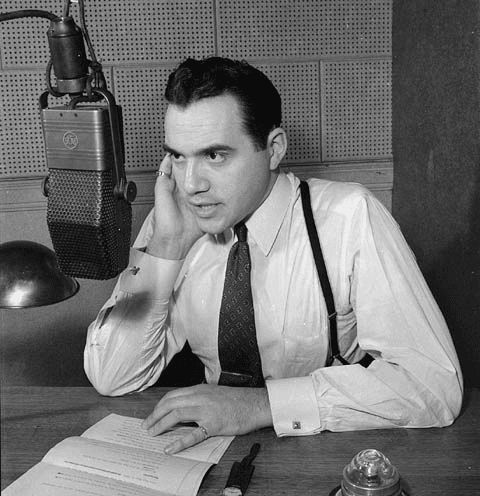
After returning to civilian life, Greene became the chief news anchor for CBC, delivering the most critical national news to Canadians. His deep, authoritative voice earned him the nickname “The Voice of Canada.”
His serious and dramatic delivery of wartime news updates also led people to call him “The Voice of Doom.” One of his most challenging tasks was reading the names of fallen Canadian soldiers on the air.
While working at CBC, Greene invented a unique reverse-countdown stopwatch. This device helped announcers keep track of the remaining time before broadcasts started.
In addition to his broadcasting duties, he narrated documentary films for the National Film Board of Canada, including Norway’s Struggle.
However, after the war, CBC began taking a large percentage of broadcasters’ earnings. Dissatisfied with this, Greene left the company and moved from Ottawa to Toronto. There, he continued to narrate films for CBC and private producers while co-founding a local theatre. In 1945, he established the Academy of Radio Arts, where he trained many successful actors, TV, and radio hosts.
Despite its popularity, the academy faced financial losses. In 1953, Greene decided to close the school and sell its building to cover debts.
Family Life
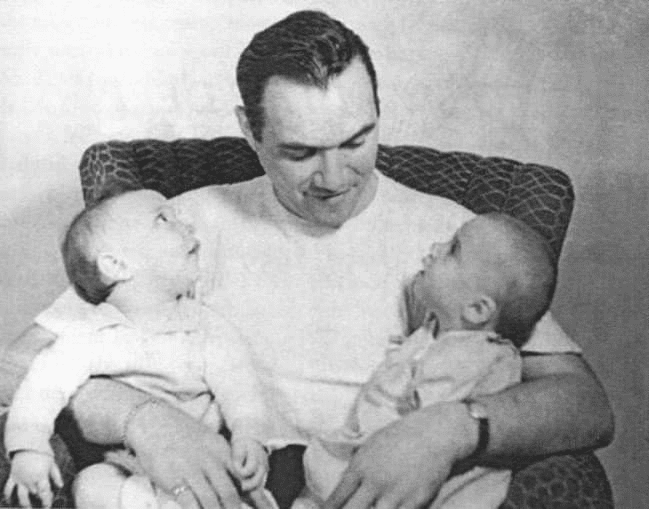
Greene married twice. His first marriage, to Rita Hands in 1938, lasted 22 years and produced twin children. The couple divorced in 1960.
In 1961, he married Nancy Deale, with whom he had another child. Deale remained by his side until his passing in 1987.
That same year, Greene built a home in Mesa, Arizona, called “Ponderosa II.” It was a replica of the ranch house from his famous TV show Bonanza. The house is now listed as a historic landmark in Mesa.
Acting Career
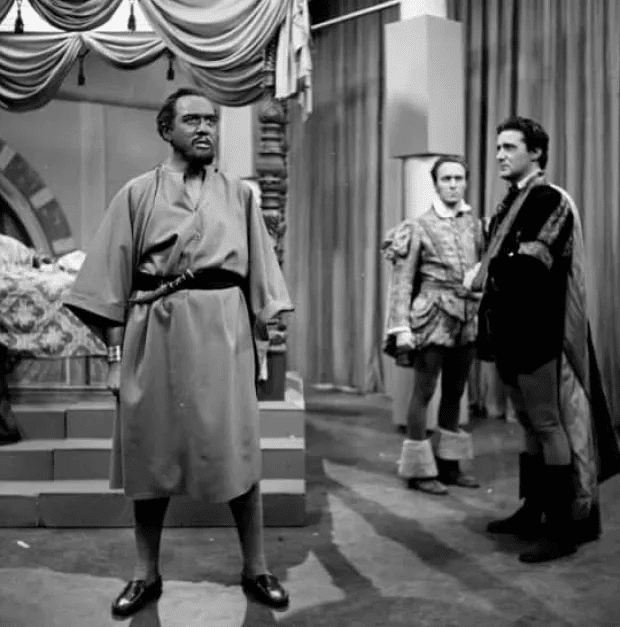
Following the closure of his academy, Greene moved to the United States to advance his acting career. He worked in New York, appearing in Broadway productions and early TV shows such as:
- Philip Morris Playhouse (1953)
- Elgin Hour (1955)
- The Silver Chalice (1954)
His breakthrough came in The Silver Chalice, leading him to Hollywood. He then starred in:
- Alfred Hitchcock Presents (1956)
- Playhouse 90 (1957)
- Sailor of Fortune (1955–1958), where he played the lead role.
Although he took on numerous supporting film roles, his biggest success arrived in 1959 with the premiere of the western series Bonanza. The show ran for 14 seasons, making Greene a household name in both Canada and the U.S. It brought him widespread recognition and a dedicated fan base.
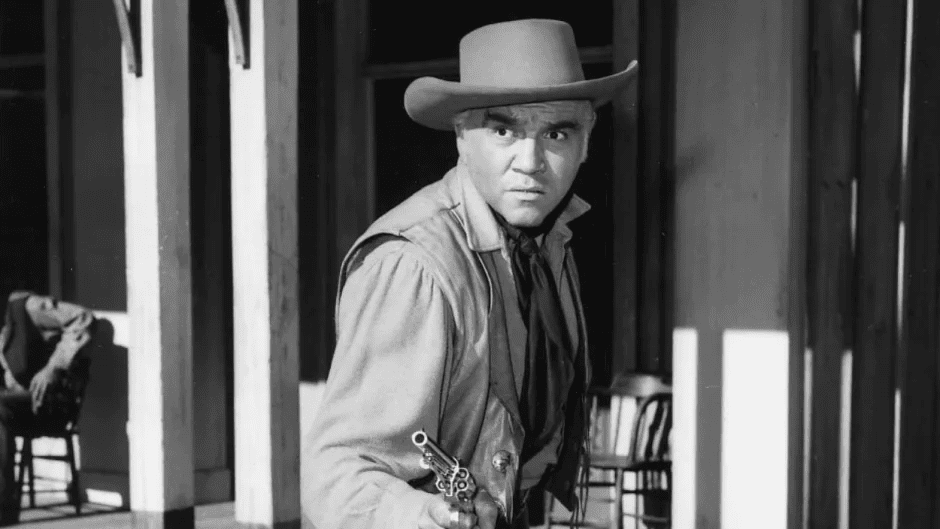
Following Bonanza, Greene continued his acting career, starring in the 1977 miniseries Roots and the sci-fi series Battlestar Galactica (1978). He also played secondary roles in several films. Acting remained his passion, and he devoted himself to his craft until the end of his life.
In the 1980s, Greene launched his own environmental documentary series, Lorne Greene’s New Wilderness, which became a hit on Canada’s CTV network.
Death of a Canadian Icon
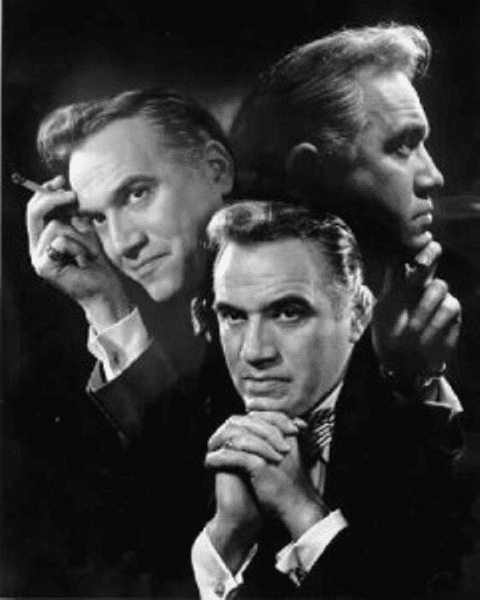
Lorne Greene passed away in 1987 at the age of 72 due to complications from pneumonia. He was laid to rest at Hillside Memorial Park Cemetery in Culver City, California.
Throughout his life, Greene remained dedicated to his work. He appeared in over 80 films and TV series and recorded multiple music albums and singles.
In Ottawa, a city street was named in his honor, commemorating the legacy of one of Canada’s most iconic actors.