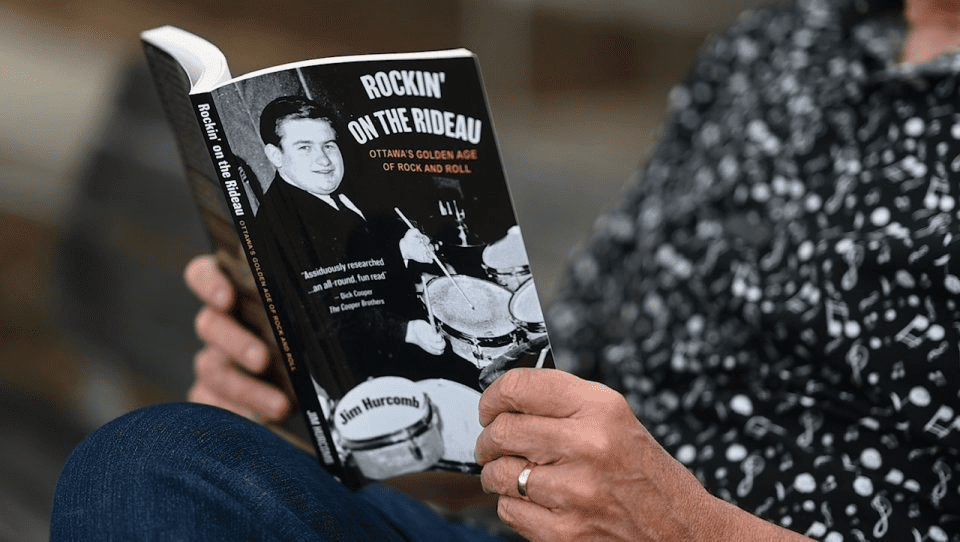
Looking back at the 1950s and 1960s, these decades marked the golden era of rock and roll in Ottawa. It was truly an unprecedented time, as described in Jim Hurcomb’s book Rockin’ on the Rideau: Ottawa’s Golden Age of Rock and Roll. Ottawa Trend explores the rich musical history of Canada’s capital during those years.
Background
Northern Liverpool
In the 1960s, musicians and fans alike referred to Ottawa as the “Northern Liverpool.” The first to use this term was Richie Patterson, a drummer for several local bands. This period was defined by a vibrant and energetic local music scene.
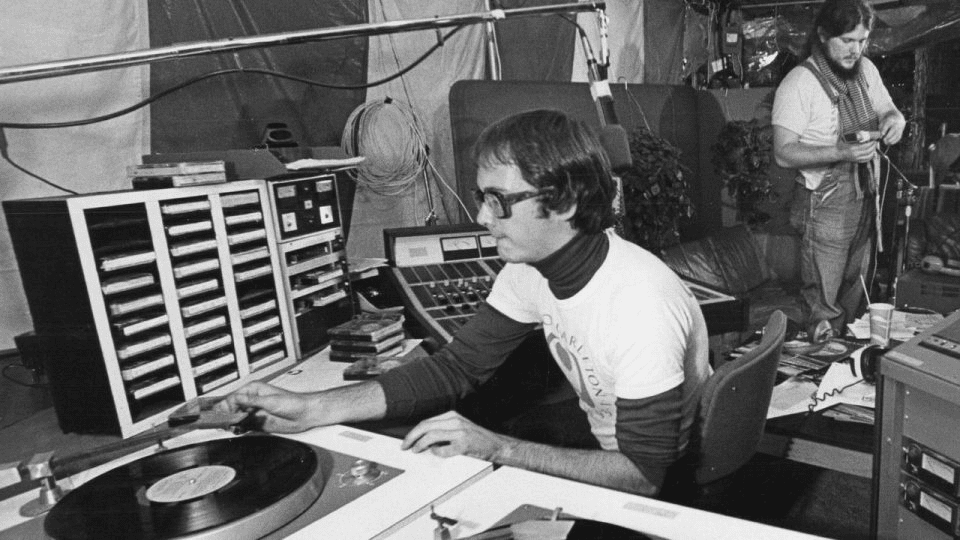
Jim Hurcomb’s book vividly captures this history, transporting readers back in time. Hurcomb himself is a legendary Ottawa broadcaster who spent decades spinning records and interviewing rock icons and celebrated musicians.
He recalls being captivated by radio, listening to evening broadcasts under the covers, tuning in to Ottawa and New York State radio stations, and falling deeper in love with music and its creators.
Major Musical Events in Ottawa
Every Ottawa resident may have their own memories, but Hurcomb’s book highlights some defining moments:
- Elvis Presley’s visit to Ottawa in 1957
This was a game-changer for Ottawa’s music scene. Musicians began shifting from pop to rock and roll, and teenagers were ecstatic. Fans even traveled to Montreal on a specially chartered train, later dubbed the Rock and Roll Cannonball. When Presley took the stage, over 9,000 people sang along so loudly that he could barely be heard. Some fans cried with joy, while others screamed in sheer excitement. - The Beatles’ debut on The Ed Sullivan Show (1964)
That moment inspired a wave of young people to buy drums and guitars, forming their own bands. The Beatles’ influence was immense—kids would call each other to discuss upcoming band rehearsals, potential names, and creative ideas.
This movement fueled Ottawa’s growing rock scene. By 1967 and 1968, more local bands were gaining confidence and experience. Some even played alongside members of The Beatles.
Interestingly, while Elvis Presley was a revolutionary figure for many, he was controversial in the eyes of some Ottawa parents and Notre-Dame monastery officials. His provocative dance moves and stage presence led to the expulsion of eight students from the monastery after attending his concert. Although the nuns later reversed the decision, one thing was certain—Ottawa would never forget Elvis Presley’s performance.
Ottawa’s Rock and Roll Bands
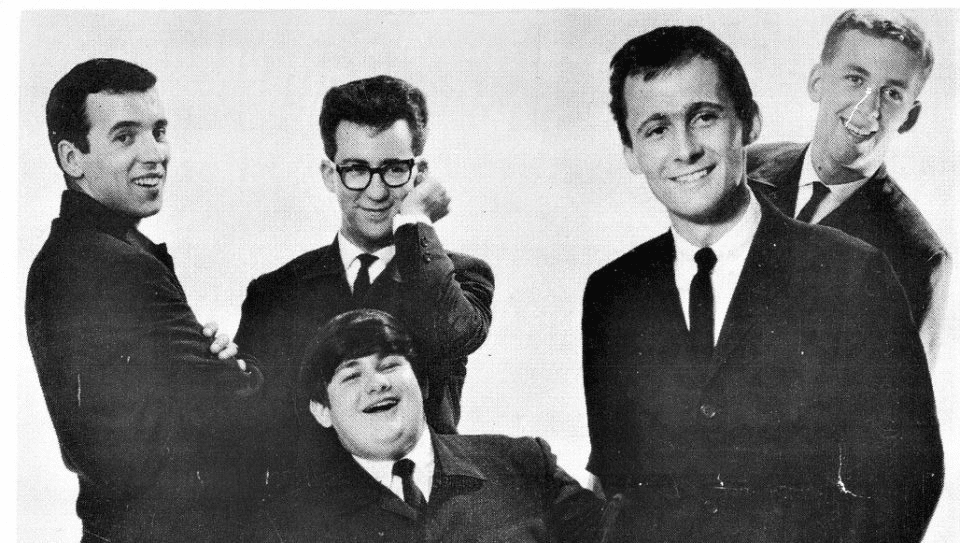
Ottawa’s rock scene was home to numerous bands, each with its own unique following. Some of the most notable included:
- The Townsmen
- The Staccatos and Esquires
- Hi-Tones
- The Jive Rockets
- Scoundrelz
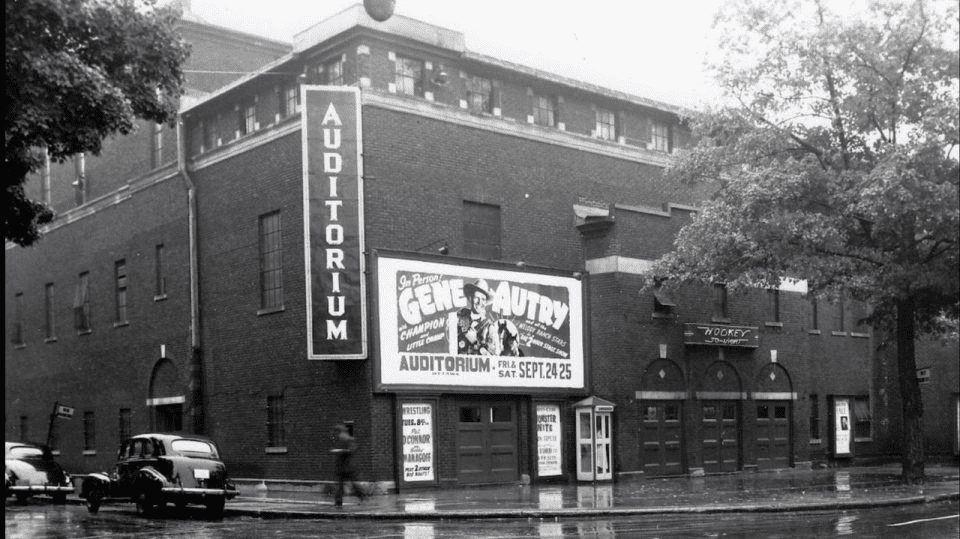
These bands regularly packed venues such as The Oak Door and The Auditorium, which were among the city’s most popular music hotspots at the time.
Jim Hurcomb vividly recalls how Ottawa’s music scene came alive in those years. The city buzzed with excitement over local rock and roll musicians. Venues were in high demand, with more stages than there were bands to perform on.
Harvey Glatt – A Musical Legend
Harvey Glatt was a pioneer of Ottawa’s music scene in the 1950s. He was the founder of Treble Clef, the city’s first music store chain, and was responsible for bringing major artists like Pete Seeger (1957), Harry Belafonte, and Louis Armstrong to Ottawa.
Glatt also co-owned Le Hibou, a legendary music venue that hosted numerous music legends. Beyond booking international stars, he helped local bands break into the industry and develop their careers. He also launched CHEZ, Ottawa’s first FM radio station.
In 2012, Alan Chrisman even wrote a ballad dedicated to Harvey Glatt. The song’s heartfelt lyrics pay tribute to a man who brought sound to a small town, encouraged people to dance, and inspired future generations to write and perform their own music. Glatt gave Ottawans the confidence to believe they could achieve greatness in the music industry.
Success and Recognition
One Ottawa-based band managed to make it onto the international stage—Five Man Electrical Band, led by Les Emmerson. This group evolved from The Staccatos, who had relocated to Los Angeles. In 1971, their hit song Signs became an anthem of the era.
Although Ottawa was a relatively small city, it had a distinct musical harmony. The Ottawa Valley’s influence, combined with the Irish and Scottish heritage of many Ontario immigrants, shaped its unique rock and roll sound.
Rock and Roll in Ottawa After The Beatles’ Breakup
As The Beatles disbanded, many other Ottawa-based bands also began to fade, giving way to solo artists. The era of Carole King, Cat Stevens, and James Taylor was emerging. One of the most notable Canadian musicians from this period was Bruce Cockburn, who became famous for his distinctive Canadian acoustic folk style.
By the mid-1990s, Ottawa-born Alanis Morissette had risen to stardom in Los Angeles. Her raw talent, emotional intensity, and groundbreaking album Jagged Little Pill brought her worldwide success.
Ottawa is not just the capital of Canada—it is also home to remarkable cultural heritage and talented artists. The city continues to host major music festivals, including:
- Tulip Festival
- Jazz Festival
- Folk Festival
- Bluesfest – the largest music festival in North America
- Winterlude
These festivals draw massive crowds every year. Did you know that some of these events trace their origins back to Ottawa’s golden age of rock and roll?
Talented musicians from Ottawa continue to perform, grow, and evolve. However, only a select few manage to break beyond their hometown and dedicated fan base.
Ottawa’s music scene peaked in the 1960s. Entertainment options were limited at the time—there was no internet to distract people—so music became an integral part of local culture. That era laid the foundation for the city’s unique musical identity.
So what is Ottawa’s rock and roll history really like?
It is exciting, energetic, and filled with emotion. Jim Hurcomb’s book masterfully pieces together this history, featuring firsthand accounts from rock and roll legends who performed during the golden age. What unites them all? They remember their youth, their dates, the electrifying concerts, and the roaring crowds. The story of Ottawa’s music scene has been preserved for both past and future generations.
Music never dies, and neither do the memories it creates. That is why Jim Hurcomb’s book is dedicated to those who remember those times and to those who are discovering them for the first time. Modern readers will find it fascinating to learn about the music that ignited past generations, the wild parties they attended, and the songs they sang along to in their free time.